
Houston loves its musical success stories. We proudly claim Beyoncé, Megan Thee Stallion, Travis Scott, and Robert Glasper. But what about the musicians who haven’t become household names? The ones writing original songs, rehearsing after work, and struggling to fill a room?
Through Mocha Man Music, I’ve spent the past year working closely with Houston musicians, helping them develop their careers, find performance opportunities, and connect with audiences. I’ve also produced live shows, giving me a firsthand look at the challenges artists face, even when they have the talent and determination to succeed.
It’s made me wonder whether Houston’s reputation as a great music city matches the opportunities available to musicians trying to build careers here.
I recently discussed this with Houston jazz vibraphonist Jalen Baker, whose latest album, RePaved, explores the history of Houston’s Black neighborhoods.
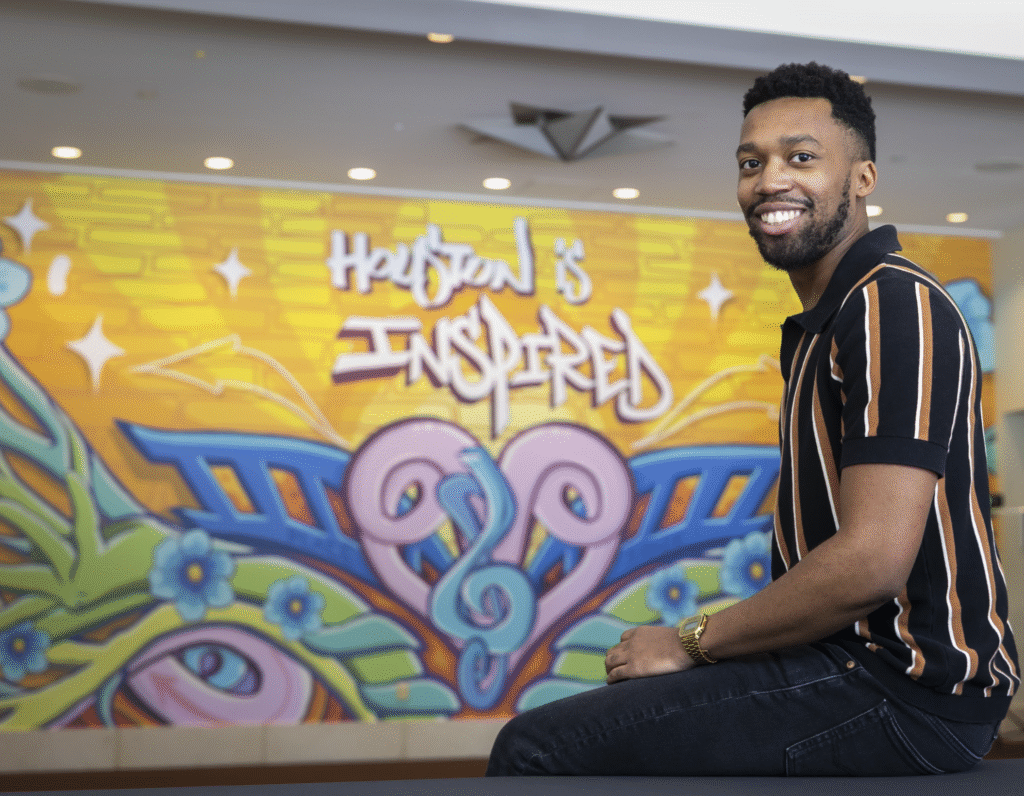
Baker grew up in Third Ward, attended Houston’s High School for the Performing and Visual Arts, and earned a master’s degree from Florida State University. After completing his education, he could have pursued opportunities elsewhere. Instead, he returned to Houston.
I find that decision interesting because we often talk about talented musicians leaving Houston to advance their careers. Baker chose to come home. He loves the city and appreciates the musical traditions that shaped him, but he believes Houston could do more to support working musicians.
Baker has experienced different approaches to music during his travels. In Europe, he encountered audiences with a deep appreciation for music. They regularly attended shows and supported musicians.
In New York, he witnessed musicians competing fiercely and approaching their careers with extraordinary intensity.
“It can be life or death,” he said of New York’s music scene.
He believes Houston musicians should demonstrate that same commitment.
“Don’t just be the best artist in Houston,” he told me. “Be the best musician anywhere.”
I agree. Musicians should continually improve their craft and compete at the highest level. But talent and dedication don’t guarantee professional opportunities.
Many musicians depend on weddings, corporate events, and private parties for reliable income. Those gigs require skill and professionalism, but they don’t always provide opportunities to perform original music or develop an audience.
Roxé, a singer I work with through Mocha Man Music, knows that tradeoff well. Born in São Paulo and raised in Marbella, Spain, she now lives in Houston and performs regularly at CityCentre, other venues around town, and private events.
She gets paid, but the fee doesn’t always reflect the work involved. She often brings her own sound system and splits her earnings with an accompanist. Although she can work some original songs into her sets, promoters generally want familiar hits.
The performances keep her working, but they do little to help her build an audience for her own music.
And recording that music presents another challenge.
In October, KPRC 2 reporter Taylor Bruck examined the financial realities facing independent musicians in Houston Loves the Music. Can Its Independent Musicians Afford to Keep Making It?.
Houston musician Sha Davis estimated that recording and promoting a single song can cost $3,000 to $5,000. The article also featured singer-songwriter Sara Van Buskirk, who organized a fundraising gala to help complete an album.
The report cited the 2026 Greater Houston Artist Study, conducted by Fresh Arts and SMU DataArts. Among 1,008 artists surveyed across multiple disciplines, 57% reported annual personal income below $50,000 from all sources, including jobs outside the arts. Half believed organizations in their communities didn’t compensate artists fairly.
Those findings aren’t limited to musicians, but they offer perspective on the financial pressures facing Houston’s creative community.
I’ve experienced another side of the business while producing concerts.
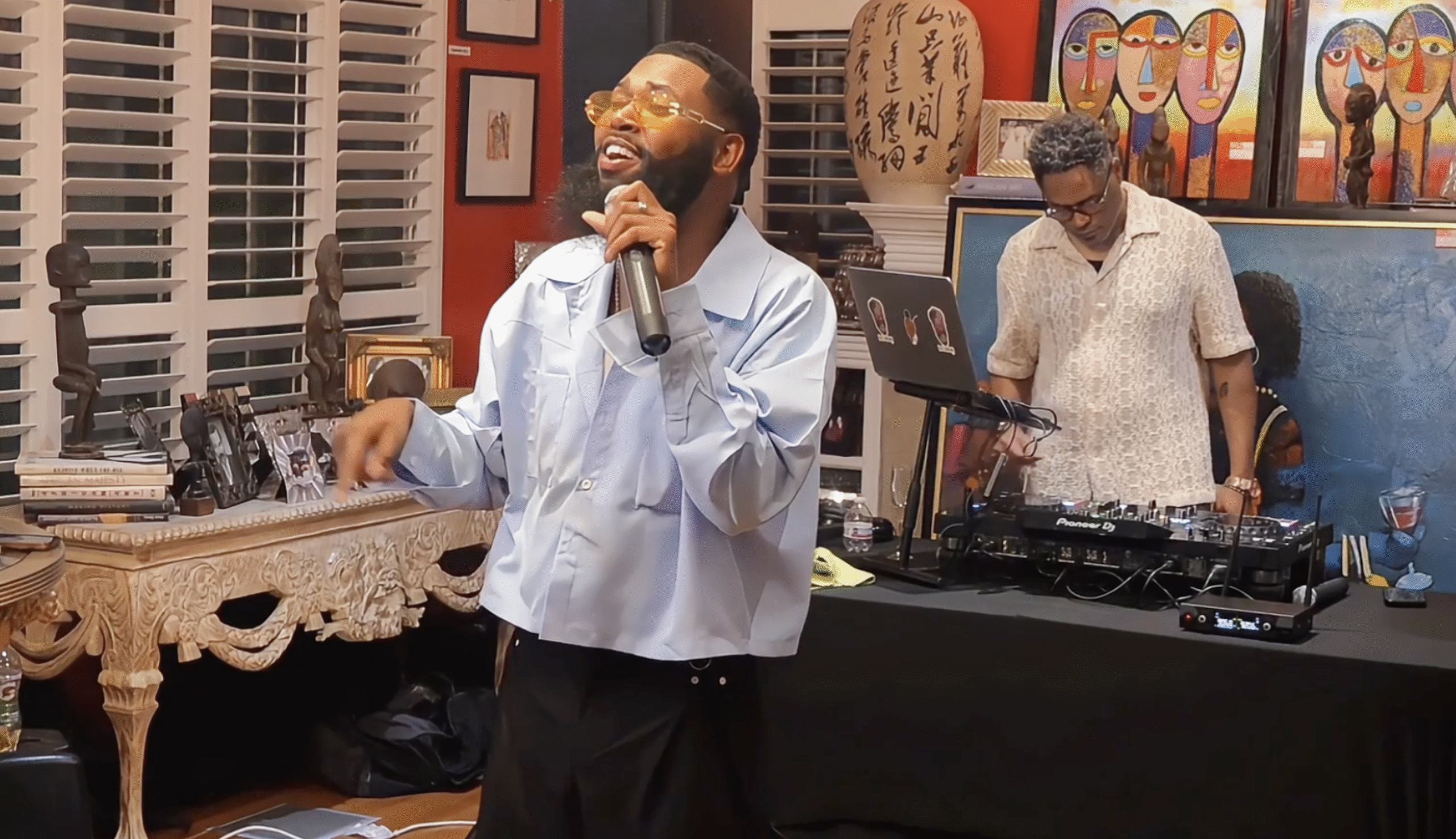
In August, Mocha Man Music produced The Soul Sessions at The Gite Gallery, featuring Brandon and DJ Alkemy. Approximately 100 people RSVP’d, but around 60 attended.
I enjoyed producing the event, which was funded in part by the Third Ward Cultural District, but the turnout illustrated how unpredictable live entertainment can be. Artists need audiences, while venues and promoters need enough paying customers to cover their expenses. When a show underperforms, everyone involved can feel the impact.
That makes taking chances on unfamiliar talent difficult.
Baker believes audiences and presenters have a responsibility to change that. He wants Houstonians to discover new performers instead of waiting for established artists to come to town. He also believes venues should introduce audiences to emerging talent and develop reputations for consistently presenting quality music.
He’s right about the importance of discovery.
Houstonians regularly fill arenas for national performers. Convincing those same audiences to experience unfamiliar artists in smaller venues is another matter.
But I don’t think the solution is simply telling people to support local music.
Musicians have to create compelling work, understand their audiences, and deliver performances people want to experience again. Venues and promoters must also give people reasons to attend, whether through thoughtful programming, strong promotion, or consistently good experiences.
I’ve seen what happens when organizers create opportunities for artists and audiences to connect. At Reimagining the Renaissance, an event I co-produced, we brought together musicians, poets, visual artists, and people interested in Houston’s creative community. The event gave artists a chance to share their work and develop relationships beyond the stage. I also hosted a Musician & Moviemaker Mixer to facilitate local collaboration on films, TV shows, music videos, and live performances.
In the KPRC 2 report, Sabella Reyes, founder of Houston nonprofit Track Society, argued that independent musicians should be recognized as part of the city’s workforce and receive professional development opportunities comparable to those available in other industries.
I think that’s an important point.
Houston invests considerable attention in workforce development for energy, healthcare, technology, and manufacturing. Why shouldn’t music receive similar consideration?
Organizations such as Fresh Arts already provide valuable resources for working artists. The Houston Music Advisory Board also works to strengthen the city’s music industry and connect musicians with information and opportunities.
Houston also has organizations demonstrating the value of investing in young musicians. When I attended a Jazz at Lincoln Center Orchestra performance with Wynton Marsalis, the Jazz Houston Youth Orchestra opened the concert. Their performance showed what strong instruction, mentorship, and professional opportunities can accomplish.
But developing musical talent is only part of the equation.
Artists also need access to managers, booking agents, producers, publicists, entertainment attorneys, and other professionals who can help them navigate the business. Those relationships can make the difference between occasional performances and a long-term career.
But I’d like to see more programs that connect music education, professional development, and actual employment.
There are a few practical places to start.
Venues and promoters bringing touring artists to Houston could make paid local opening acts a regular part of their programming whenever possible. That would introduce emerging performers to audiences who have already demonstrated a willingness to purchase tickets.
The city and local arts funders could also support recurring residencies for original music. Instead of organizing another one-night showcase, imagine a six-month program that gives selected musicians regular performances, reliable compensation, and professional promotion.
That would give artists time to develop their shows while allowing venues to build audiences around them.
I’d also like to see Houston businesses invest in local musicians through concert sponsorships, recording projects, and partnerships that connect artists with new audiences.
These ideas won’t solve every problem. Musicians still have to create work people want to hear, and businesses need to see value in supporting them. But they could help establish a stronger foundation for Houston’s music community.
We also need to reconsider how we define success.
Jack Massing, executive director of the Orange Show Center for Visionary Art, made an important observation in the KPRC 2 report: “Success is a different thing than fame.”
Not every musician wants a major-label contract or an arena tour. Some want to record excellent albums, perform regularly, maintain ownership of their work, and support their families.
Those are worthwhile ambitions.
Which brings me back to Jalen Baker.
His decision to return to Houston says something about his connection to the city. RePaved celebrates the people, neighborhoods, and musical traditions that shaped him. He’s building his career while preserving an important part of Houston’s cultural history.
But I wonder how many other talented musicians have made a different decision because they couldn’t find enough opportunities here.
There’s nothing wrong with leaving Houston to pursue new experiences. Traveling, collaborating, and working in different music communities can help artists grow.
But loving your hometown shouldn’t mean sacrificing your livelihood to remain part of its cultural life.
Houston has spent decades proving it can produce great musicians. Now it needs to prove those musicians can build great careers here.
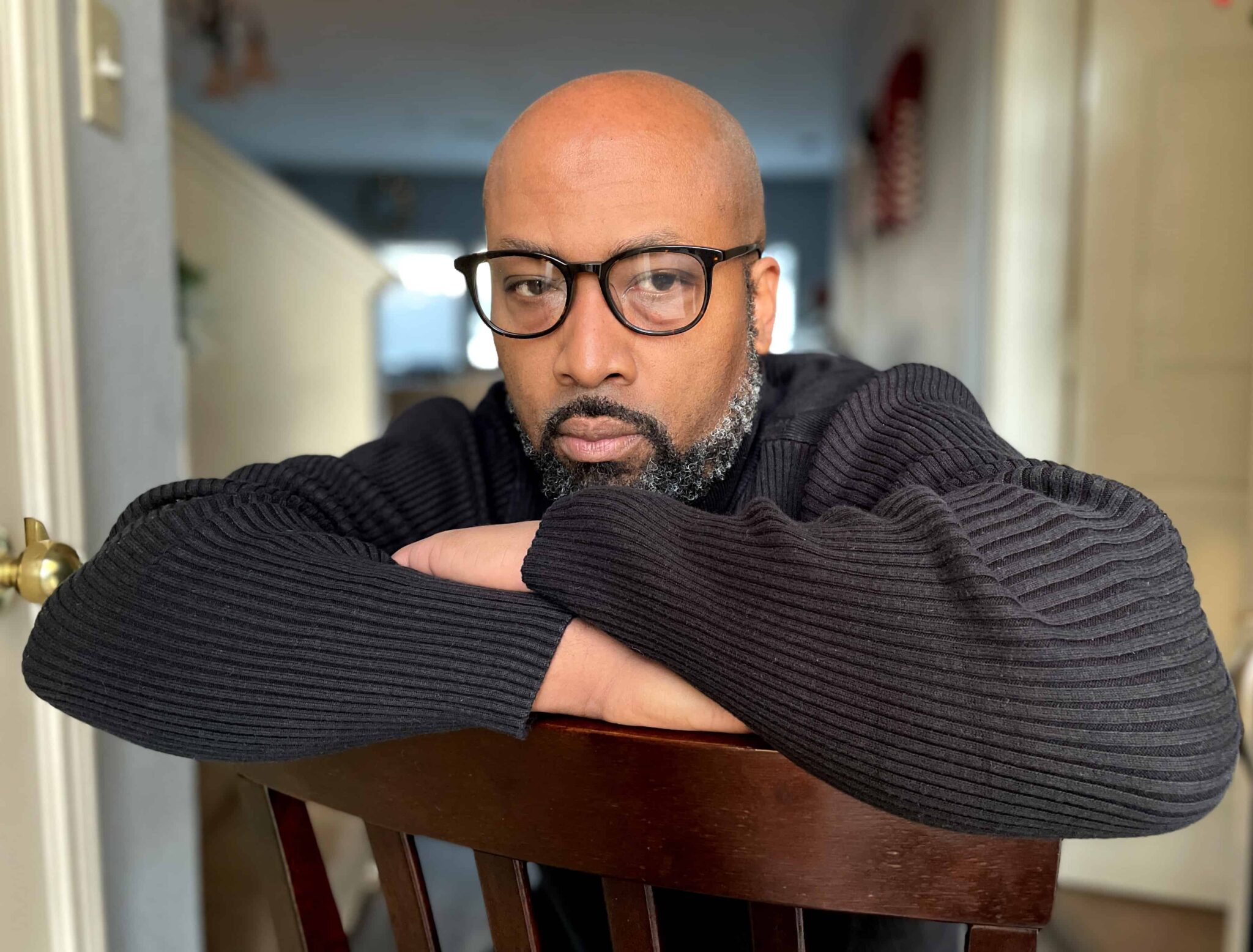
Frederick J. Goodall is the Editor-in-Chief of Mocha Man Style, media spokesperson, event host, photographer, and a top social media influencer in Houston, TX. He likes to write about fashion, cars, travel, and health.