
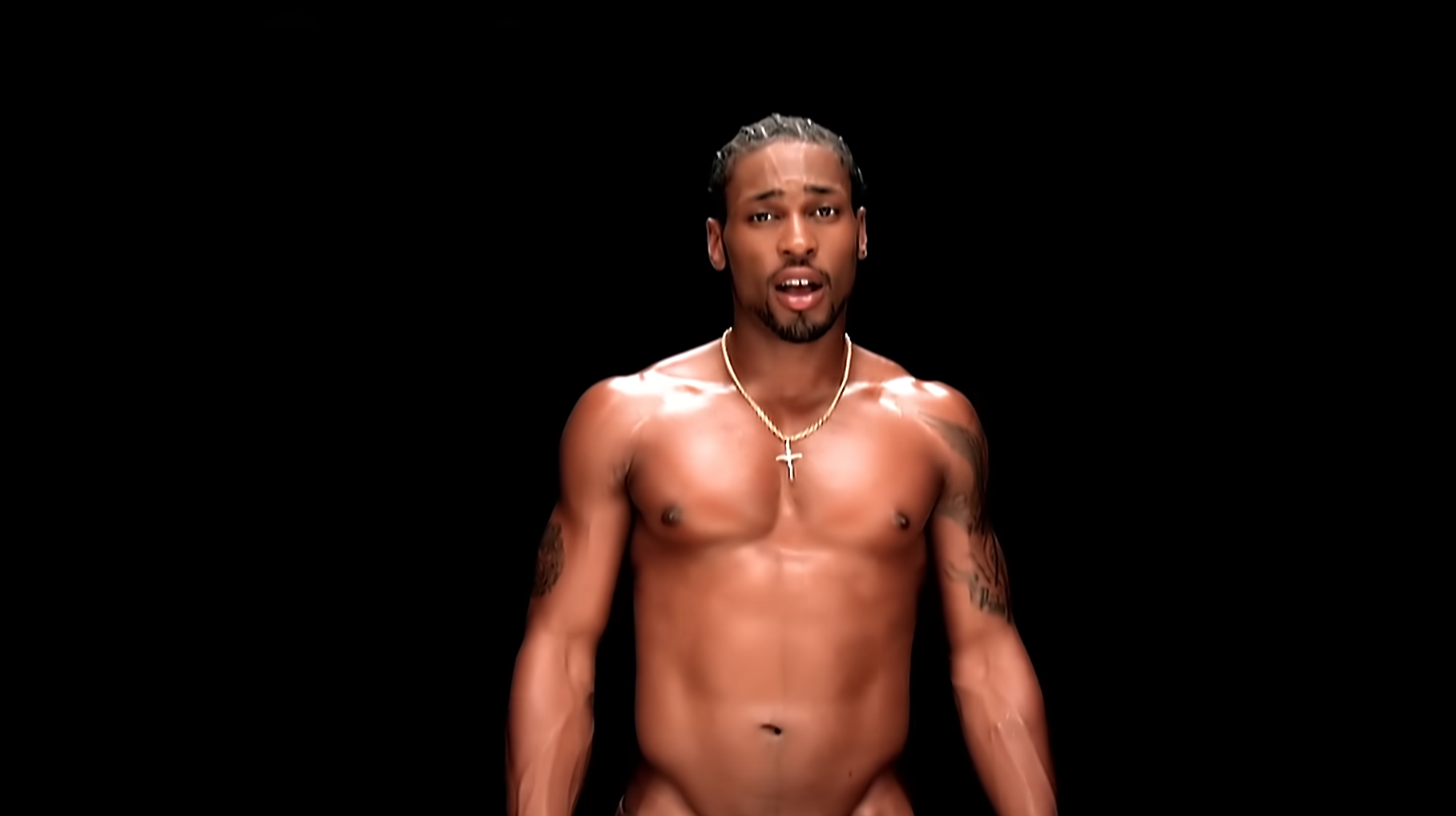
When D’Angelo released Brown Sugar in 1995, I was mesmerized. His voice was smooth yet earthy, the grooves laid back but deeply intentional, and the instrumentation felt retro, but somehow futuristic. Brown Sugar, Lady, When We Get By, and his transformative version of Smokey Robinson’s Cruisin’ were invitations into a new world of sound where intimacy, vulnerability, and groove coexisted in perfect balance.
D’Angelo did more than debut a great record. He reset the center of gravity for modern soul. He carried Marvin Gaye’s intimacy and Prince’s fearless harmonic playfulness into a hip-hop era that valued feel over gloss. He made the analog texture sound urgent again by making it speak to the moment. That choice helped spark what we now call neo-soul.
His influence also changed how R&B thinks about rhythm. The way he sang and played just behind the beat created a style that producers spent years trying to imitate. That phrasing became a guide for singers who valued breath and grain over volume and for drummers who learned to sit in the pocket rather than chase the metronome. That lesson echoed in the music of Maxwell, Musiq Soulchild, Alicia Keys, Anderson .Paak, H.E.R., Daniel Caesar, and Leon Bridges.
But D’Angelo’s vision was not confined to sound. Culture often measures impact through images as much as music, and he understood that. Untitled (How Does It Feel) became a phenomenon because it turned the camera on a Black male body with softness and heat, vulnerability and command. It invited desire but also demanded agency. For many, seeing a Black man presented with that mixture of power and tenderness shifted the way they thought about masculinity. The conversations it sparked about sexuality, intimacy, and objectification still echo today.
After an absence from the industry, D’Angelo returned with Black Messiah. Released during a charged social moment, the record refused to reduce Black life into slogans. It was warm, thorny, devotional, and political, sometimes all within the same song. Guitars snarled, rhythms tangled, harmonies blossomed, and the lyrics carried both grief and defiance. It reminded me that soul music has always been protest music, that it can carry romance and groove while still speaking truth. That balance has become a compass for a generation of artists who, like D’Angelo, are navigating turbulent cultural winds.
Although I never saw him live, one performance remains etched in me: his tribute to Prince on The Tonight Show. Sitting at the piano, he sang Sometimes It Snows in April, his voice cracking with grief. I cried as if I had lost family. In that moment, I realized how deeply his art had intertwined with my own sense of mourning and memory.
His story is also tied to Angie Stone, the legendary singer who passed earlier this year. Their partnership shaped his early journey, and together they created music that still reverberates with soul. Remembering them side by side feels fitting, as both offered blueprints for honesty in sound and spirit.
For me, D’Angelo was more than an artist I admired. His music showed me that true soul does not chase the moment; it creates one. It bends time and space, leaving us forever changed.
Rest in power, D’Angelo. Your sound will never fade, and neither will the lives you touched.
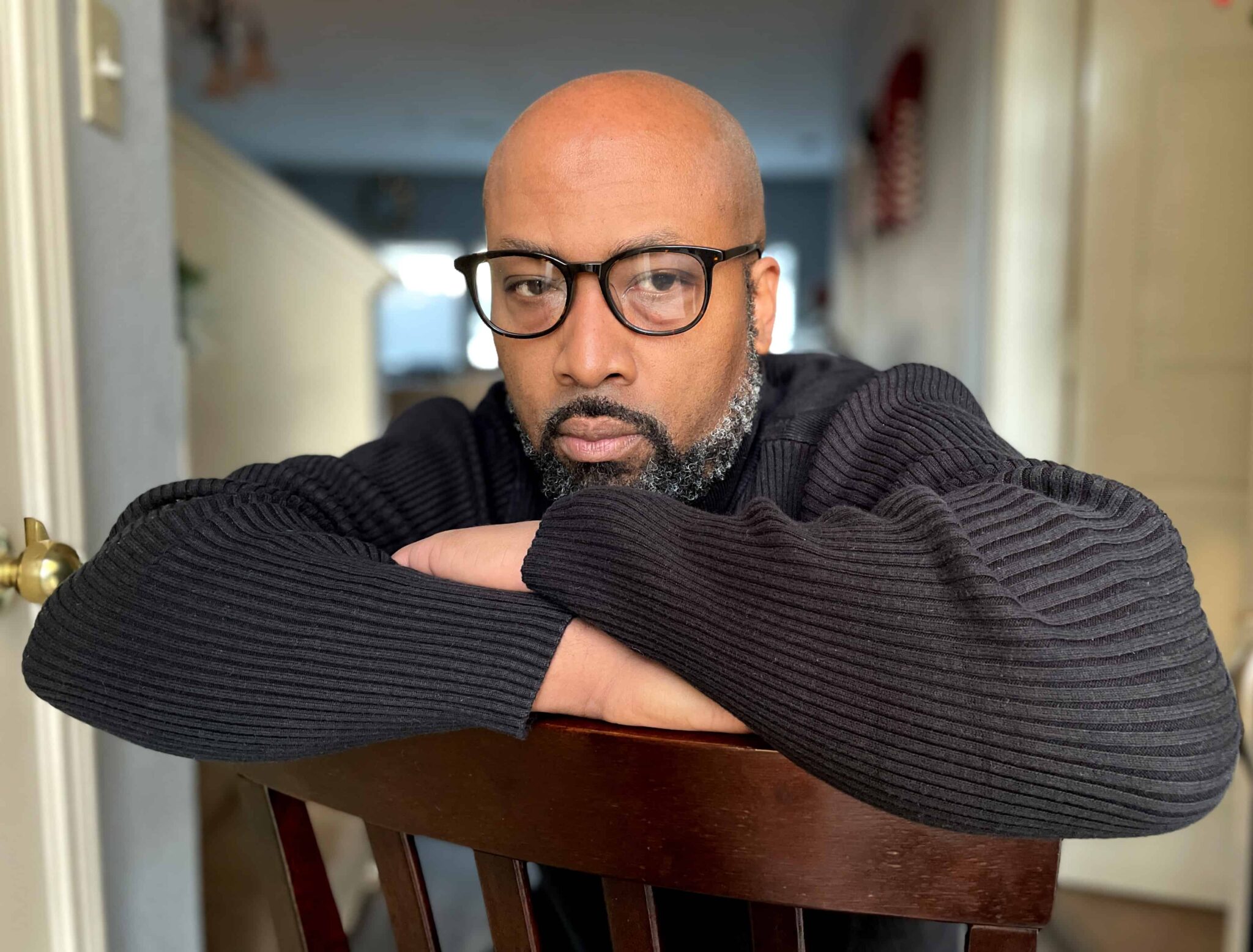
Frederick J. Goodall is the Editor-in-Chief of Mocha Man Style, media spokesperson, event host, photographer, and a top social media influencer in Houston, TX. He likes to write about fashion, cars, travel, and health.