
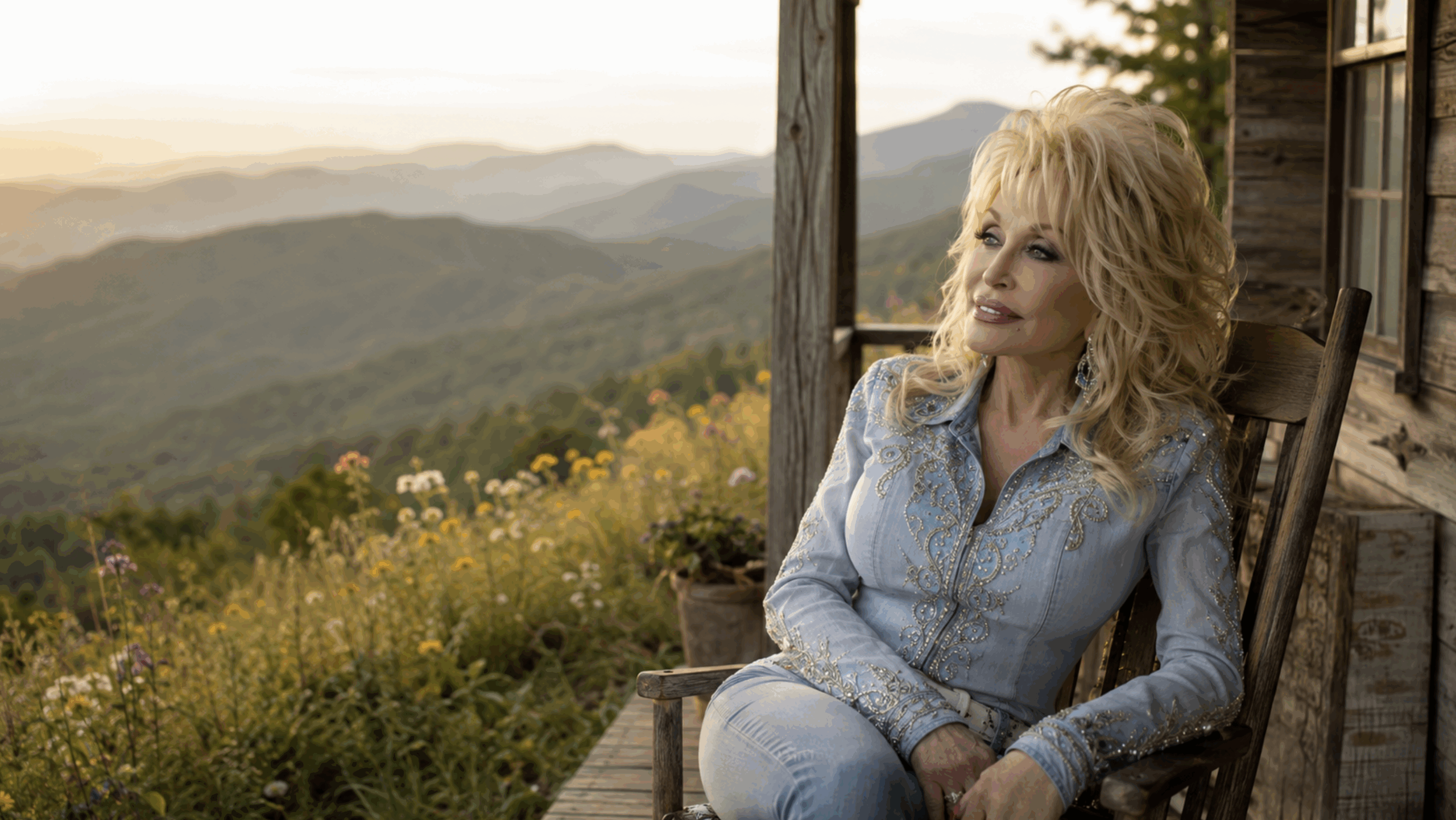
Dolly Parton understood the absurdity of being Dolly Parton. She once entered a Dolly Parton look-alike contest and lost. I love that she was always in on the joke. That was part of her genius. But it isn’t why I’m writing about her.
What strikes me is how completely Black people claimed her. She had a permanent invitation to the cookout because her connection to us never felt calculated.
When the country was arguing over Black Lives Matter in 2020, Dolly didn’t hedge, and she didn’t center whiteness. She didn’t talk about her own journey, her own discomfort or her own education. She asked a question: “Do we think our little white asses are the only ones that matter?” Then she answered it. No. Of course Black lives matter. She seemed genuinely perplexed that acknowledging another person’s humanity should be controversial.
She extended that same plainness to anyone pushed to the margins. She stood with LGBTQ+ people at real cost to her standing with an audience full of conservative churchgoers. She could have stayed quiet. She repeatedly chose not to, because she didn’t believe she got to decide who was worthy of dignity.
Her generosity had the same directness. Dolly never turned growing up poor into charming Appalachian mythology. She remembered what deprivation meant.
Her father couldn’t read or write, so when she had money, she mailed books to children. The Imagination Library has now sent hundreds of millions of them.
When wildfires tore through her part of Tennessee, she gave families cash. When COVID arrived, she gave a million dollars to vaccine research at Vanderbilt. She had the resources to help, so she helped.
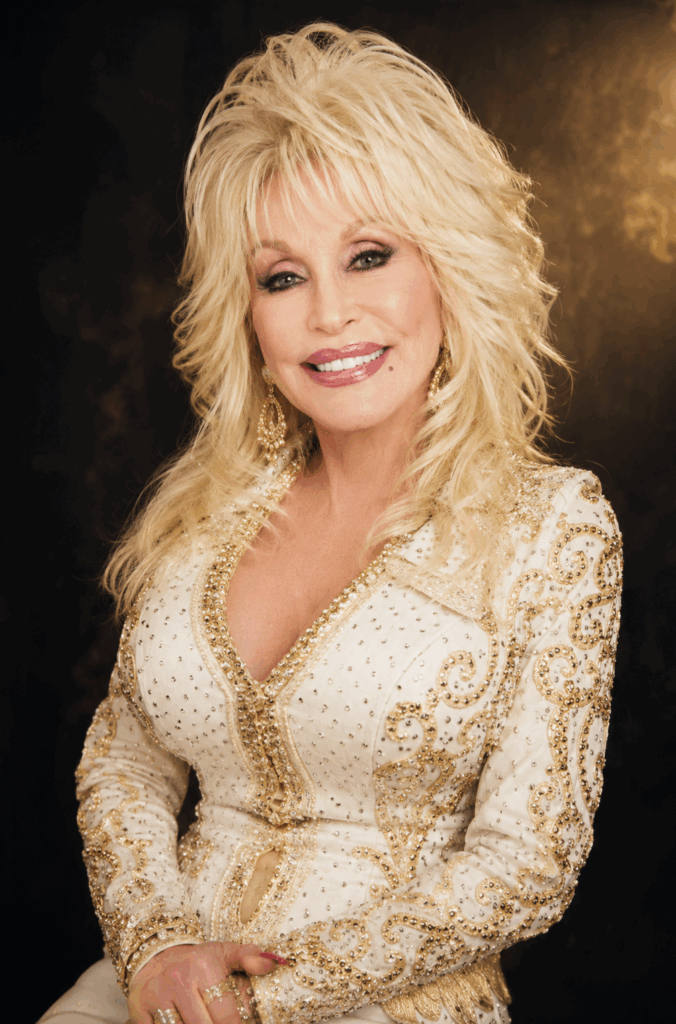
But, beyond her activism, Dolly Parton made great music.
I grew up in Texas, where country music spilled from truck radios and kitchen windows alongside the R&B, soul and gospel playing on Black radio. Dolly was simply part of the landscape.
Two of my favorite songs of hers are “9 to 5” and “Islands in the Stream.”
“9 to 5” captures the frustration of working people with humor, rhythm and righteous anger. You do not write about labor that honestly without understanding what it means to work for somebody else. When I enetered the workplace, that song became real to me and I fully understood what the lyrics meant.
“Islands in the Stream” was her duet with Kenny Rogers. The Bee Gees originally wrote the song with Marvin Gaye in mind, so even one of the most recognizable country-pop records of my childhood carried the influence of Black music beneath it.
Dolly reportedly wrote nearly 3,000 songs, but two of them reveal the extraordinary reach of her songwriting.
Whitney Houston recorded “I Will Always Love You” so definitively that millions of people never realized Dolly had written it. Dolly did not resent Whitney for making the song her own. She celebrated her success. Dolly later used some of the royalties to purchase property in a predominantly Black Nashville neighborhood, joking that it was “the house that Whitney built.”
Decades later, as people debated whether Beyoncé belonged in country music, Dolly welcomed her. She introduced Beyoncé’s reimagining of “Jolene” on Cowboy Carter, giving her blessing to a Black woman claiming space in a genre built partly on Black musical traditions.
Dolly represented something I wish we saw more often: kindness without weakness, faith without judgment, success that never forgot poverty and confidence that never required diminishing anyone else. She could sit beside a drag queen, a country singer, a Black gospel artist, a child from Appalachia or a billionaire and still seem entirely like herself.
I don’t believe Dolly Parton was perfect. Nobody is. But I believe she tried to leave people better than she found them and bring a little joy into this world.
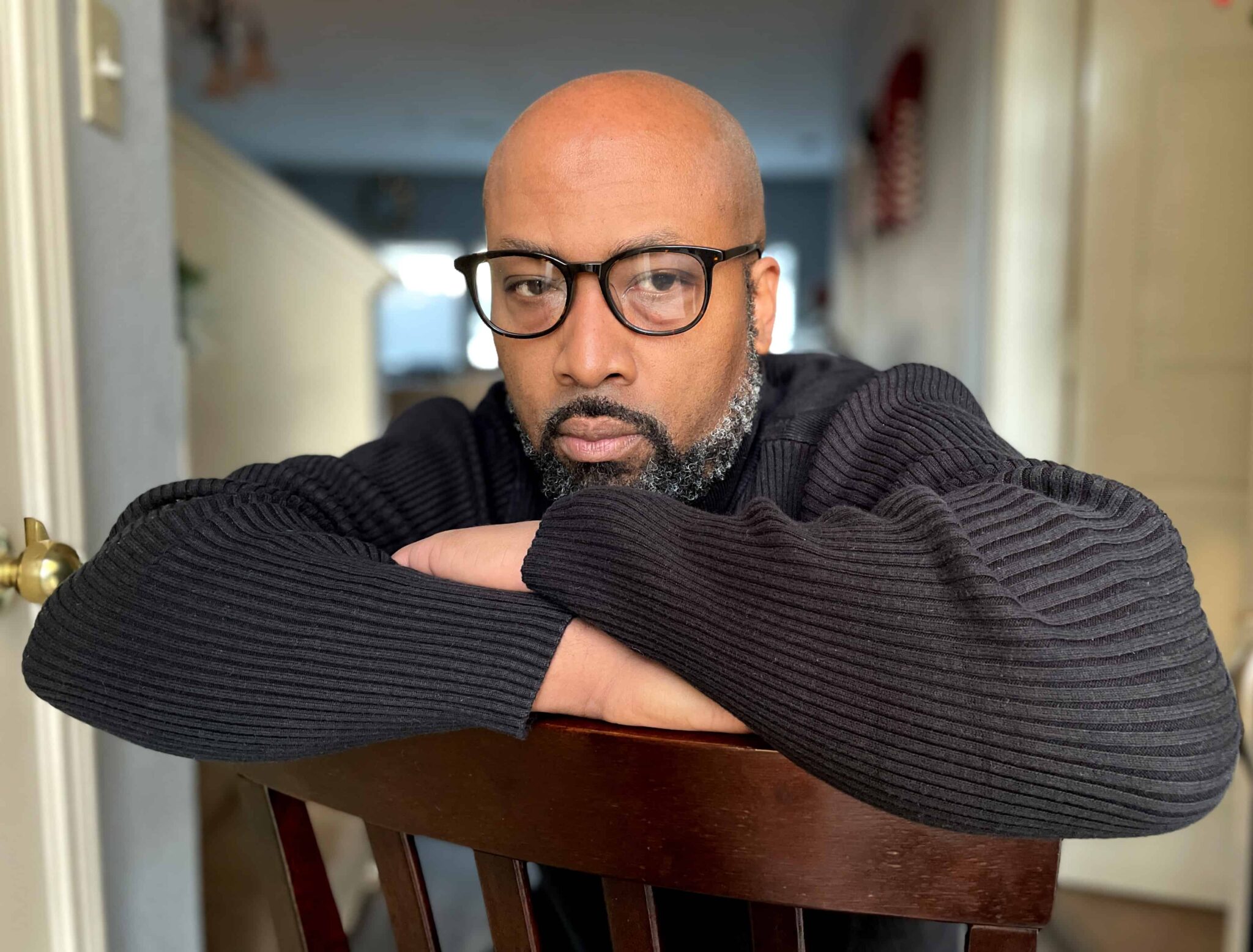
Frederick J. Goodall is the Editor-in-Chief of Mocha Man Style, media spokesperson, event host, photographer, and a top social media influencer in Houston, TX. He likes to write about fashion, cars, travel, and health.