
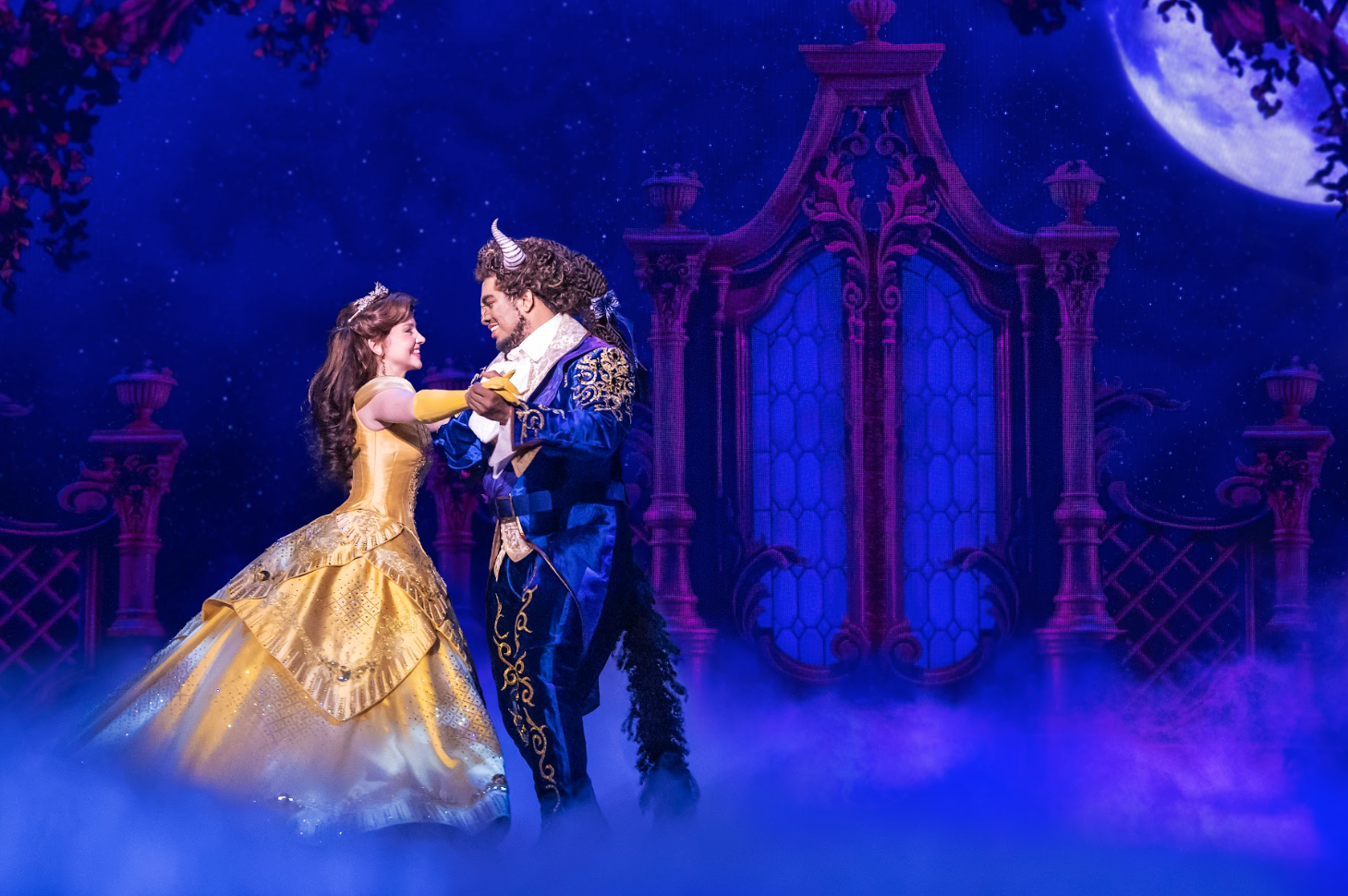
When Beauty and the Beast first came out, my daughter was obsessed.
She watched it on repeat, sang every song, and wore her yellow Belle dress until the fabric thinned. But her real connection to Belle was not the ballroom or the romance. It was the books. She saw herself in the girl who read and wanted more than what her village offered.
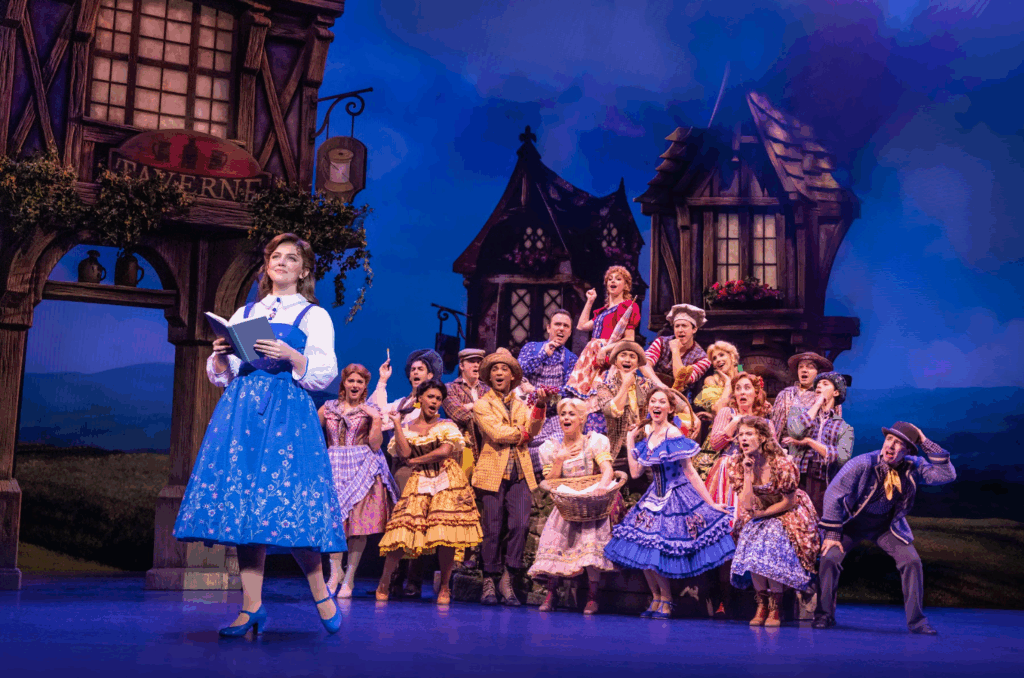
Sitting in the Hobby Center watching this reimagined national tour of Beauty and the Beast: The Musical, I realized the show did more than entertain her generation. It taught many kids, especially girls, that thinking was part of being brave.
Director and original choreographer Matt West and book writer Linda Woolverton have returned after 25 years to refresh the production with updated design, lighting, and choreography. What they kept is what matters most.
At its core, the show is about redemption.
West put it plainly: “This show points out that love is love is love is love. These two unlikely people come together and forgive and understand and grow together and end up together.”
Woolverton adds the harder truth underneath it: “He made a terrible mistake when he was young and suffered a lot, and everyone in the castle suffers for it. But you can come back through love. It’s the redemptive power of love that I think really touches people about this story.”
The story does not ask Belle to fix the Beast. It asks him to become worthy of her choice.
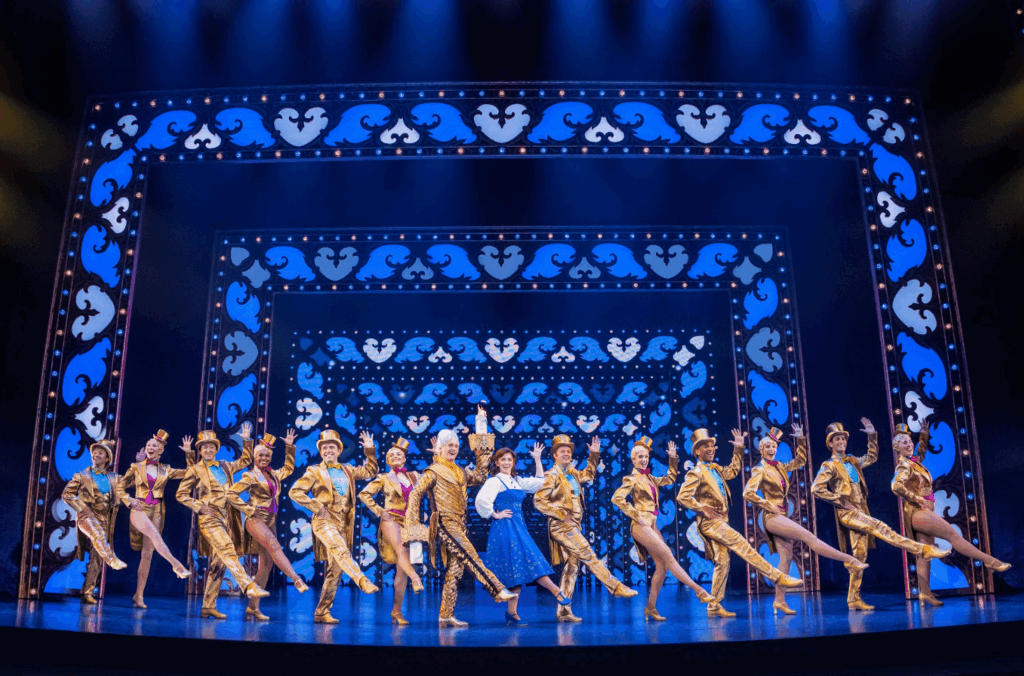
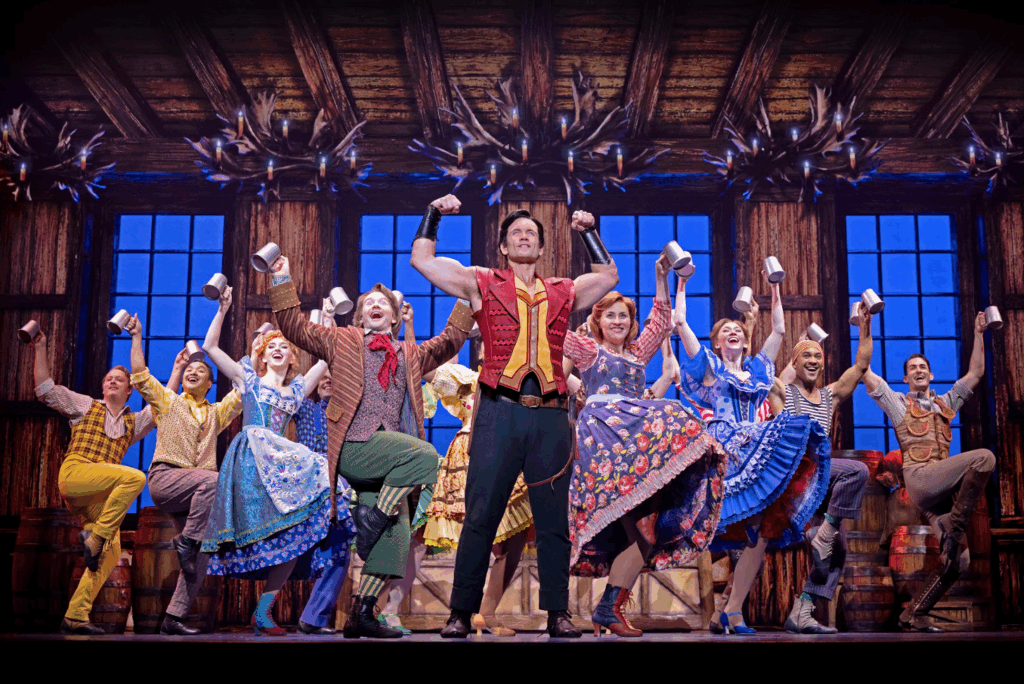
Of course, the music remains the foundation of the show. Turning “Be Our Guest” into a tap number is a smart upgrade and a technical standout. The new arrangements by David Chase give the song fresh momentum without losing its joy.
“Gaston” is still playful chaos, full of bravado and sharp timing.
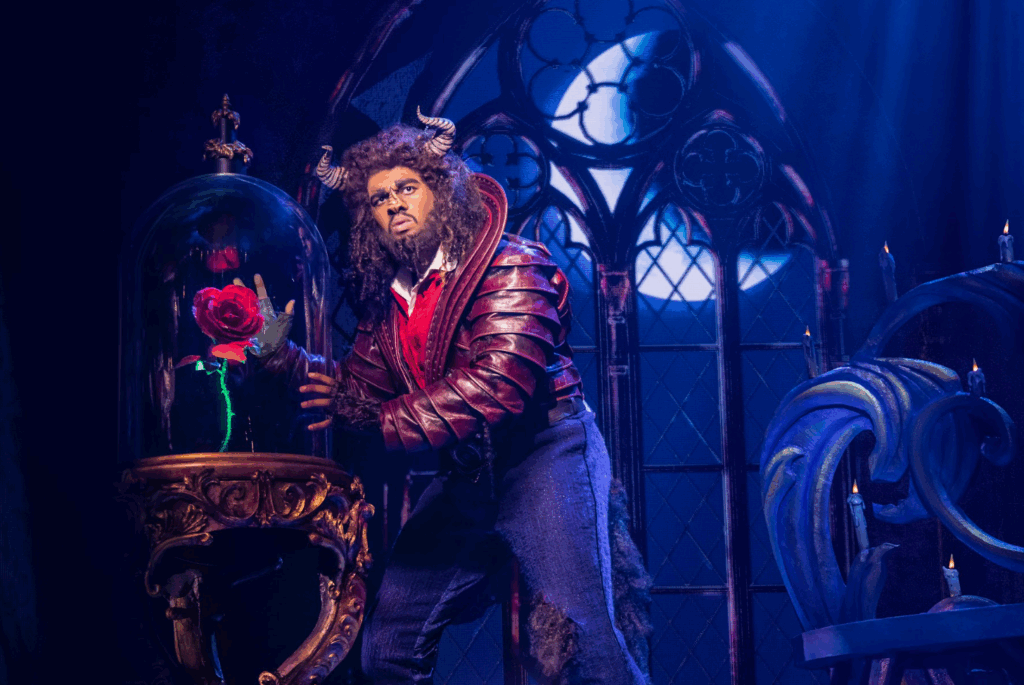
“If I Can’t Love Her” is devastating in its restraint, reducing the Beast to regret, self-recognition, and heartache.
Fergie L. Philippe’s Beast balances rage with loneliness, allowing vulnerability to surface without weakening the character.
Kyra Belle Johnson’s Belle is thoughtful and grounded, more intellectual than dreamy, with vocals that hold steady even in the largest ensemble scenes.
Lumière and Cogsworth land their comedy cleanly, and Mrs. Potts brings warmth without excess.
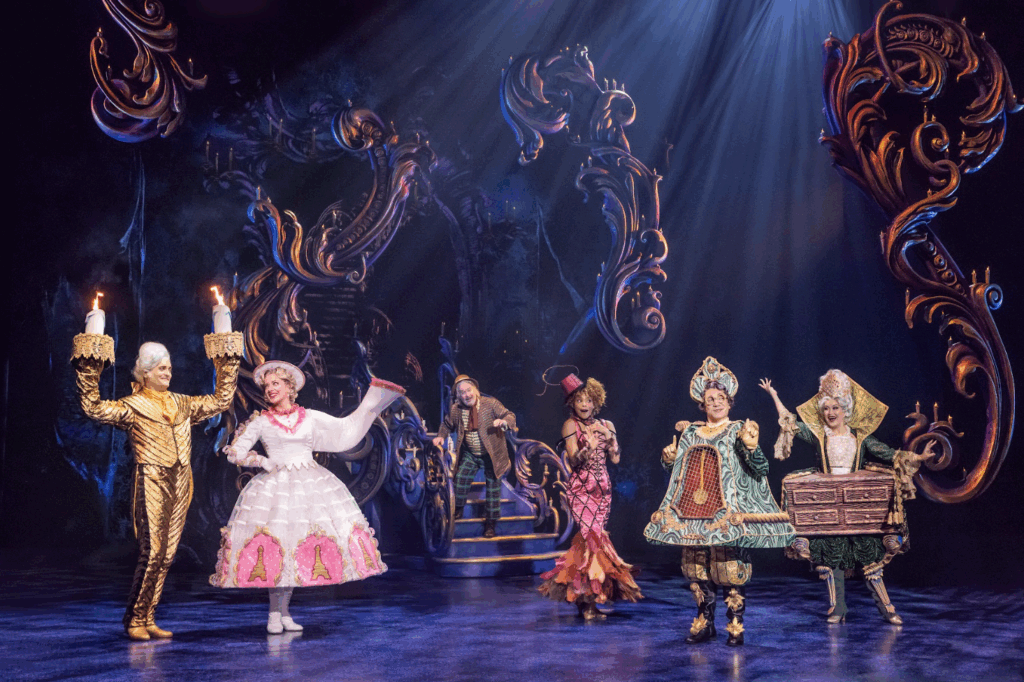
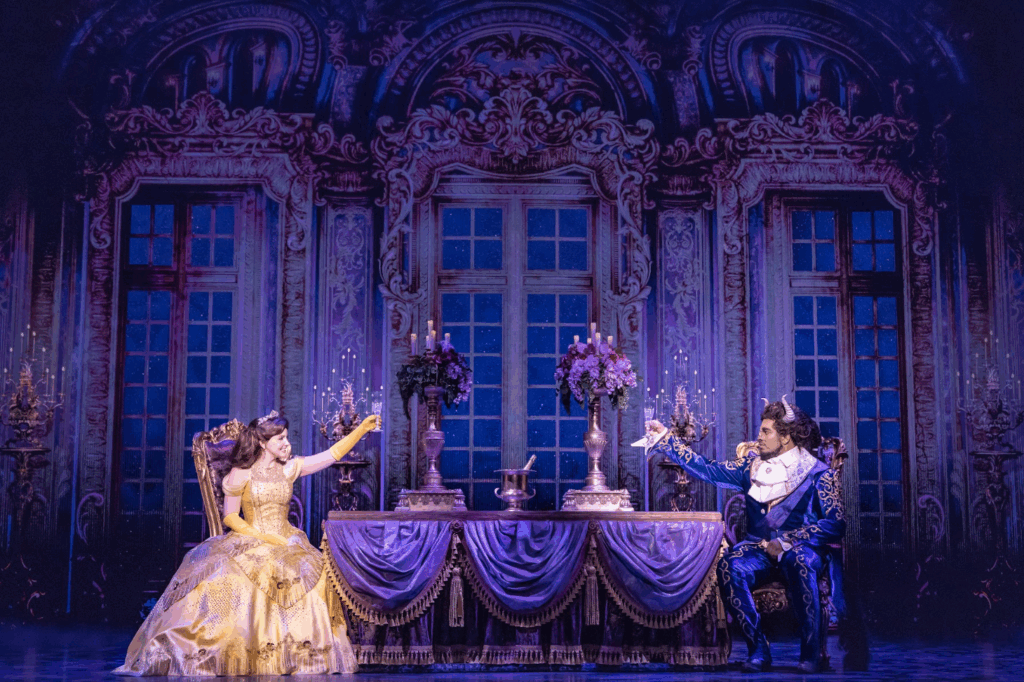
I was really impressed by the set design and lighting. They do real narrative work. The stage glows when it needs to feel enchanted and tightens into shadow when the story turns inward.
The most impressive part of the show is the Beast’s transformation. He rises into the air and becomes the prince in full view of the audience. It is pure stage magic. You could hear a collective gasp as we watched with delight.
When I first watched the Disney movie, it felt innocuous. However, today’s culture and political climate made me look at certain things differently.
When Gaston sneers, “It’s not right for a woman to read. Soon she starts getting ideas, and thinking,” the line is meant to be funny. In 2026, it is not harmless. Gaston sounds less like a cartoon villain and more like today’s toxic manosphere podcasters who believe men lead, women submit, curiosity is dangerous, and independence is disobedience.
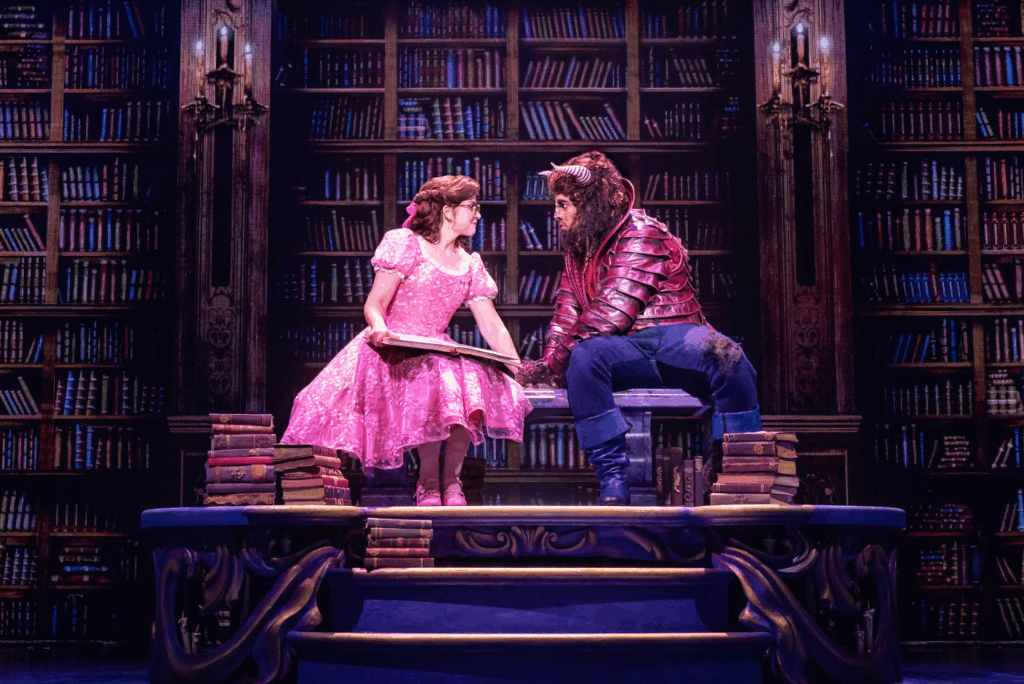
The same fear sits beneath book bans and efforts to narrow what people are allowed to read. Gaston does not hate books because they are immoral. He hates them because they create autonomy.
Belle is dangerous because she reads.
And when the villagers march to kill the Beast, driven by rumor and certainty, it no longer feels symbolic. It feels familiar. Fear organizing itself. Anger moving faster than truth.
Gaston does not need to be right. He only needs to be believed. January 6th immediately came to mind.
But I digress.
Beauty and the Beast: The Musical is a delightful show.
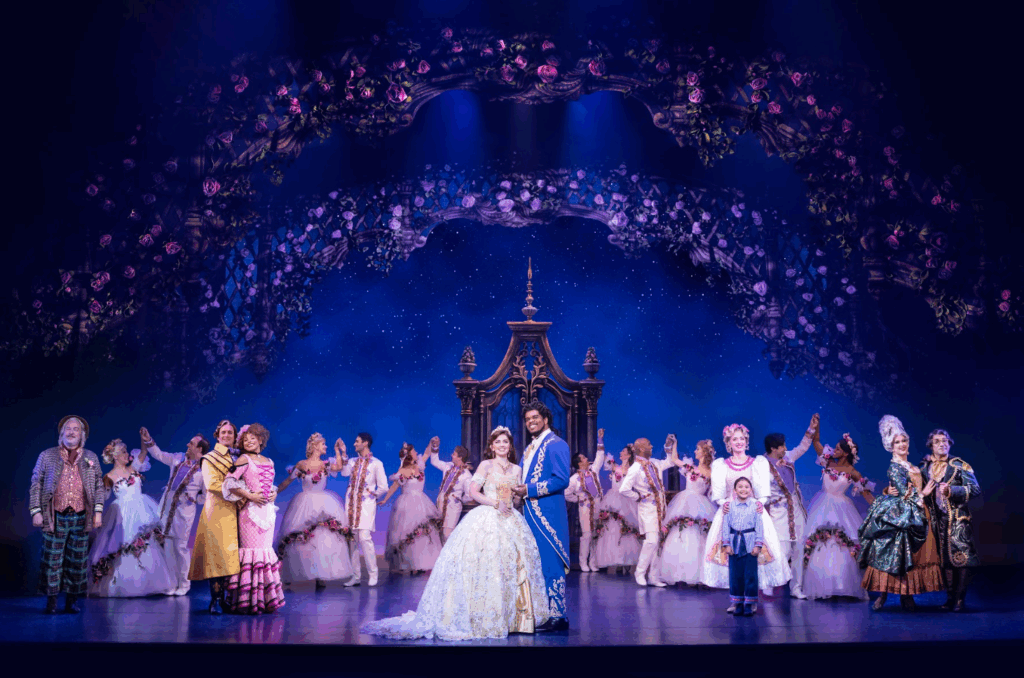
It offers spectacle, craft, and unforgettable music. But beneath the fairy tale is a warning about control, conformity, and the cost of surrendering your thinking.
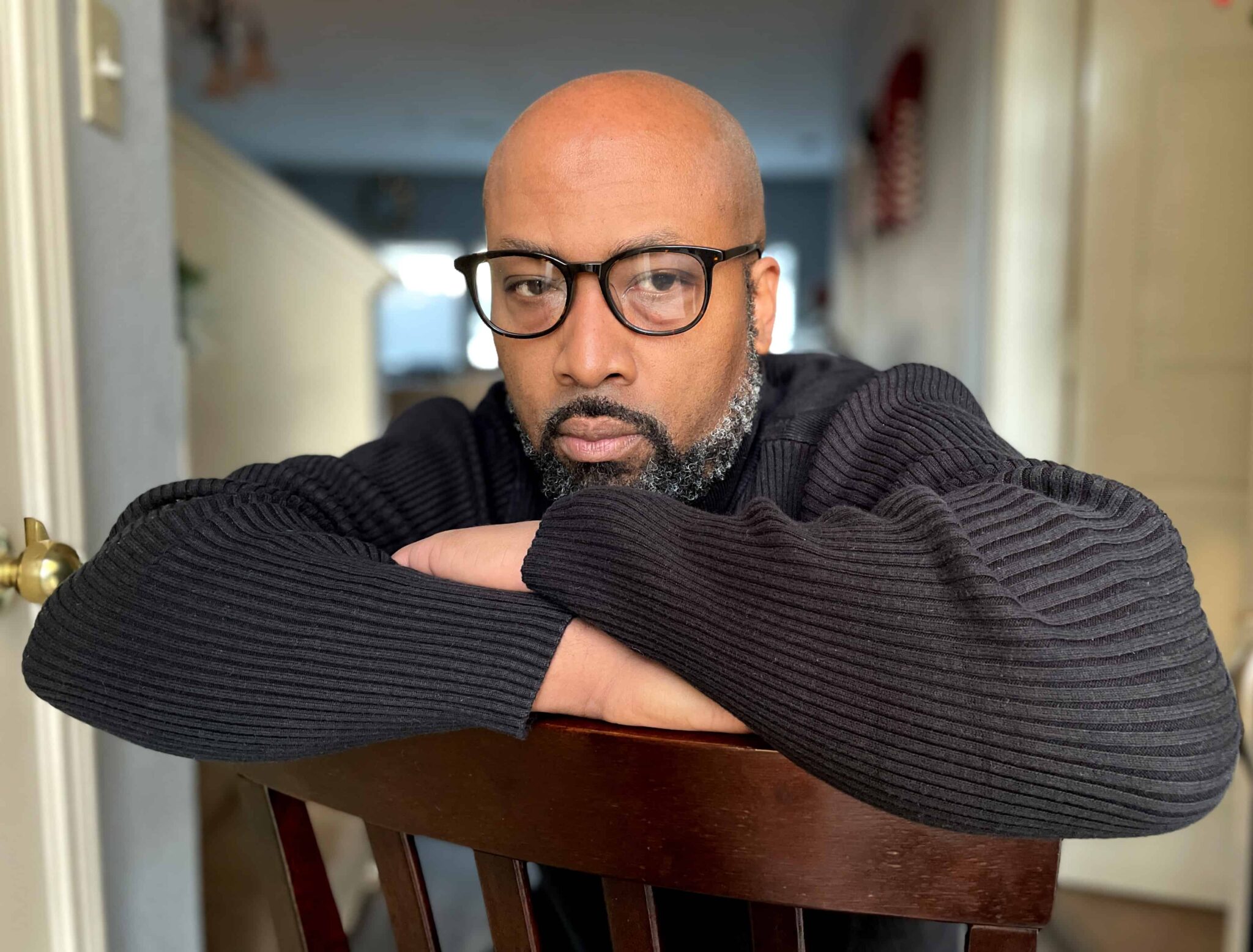
Frederick J. Goodall is the Editor-in-Chief of Mocha Man Style, media spokesperson, event host, photographer, and a top social media influencer in Houston, TX. He likes to write about fashion, cars, travel, and health.