
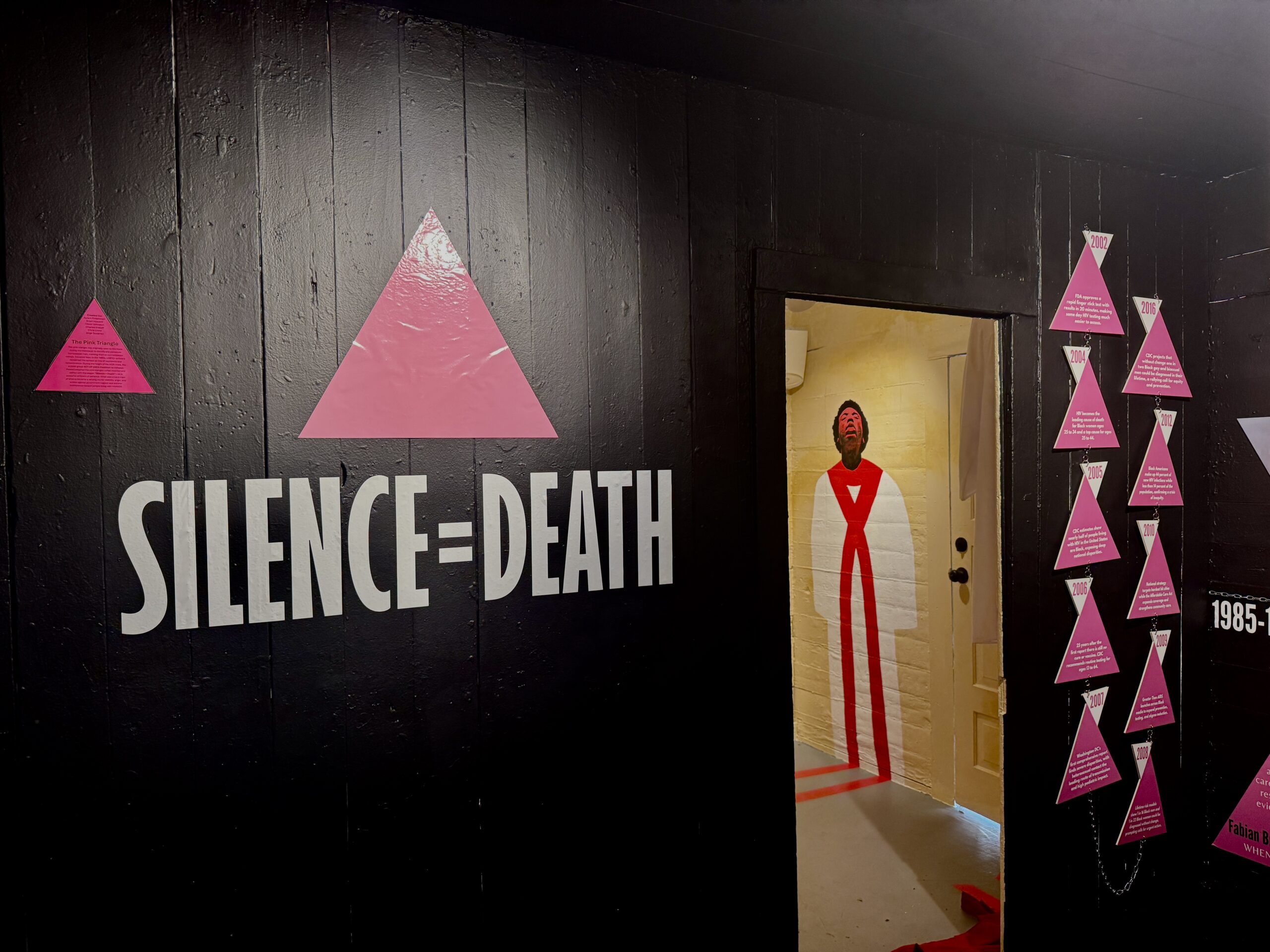
Project Row Houses has always been a place where history, culture, and community collide, but Round 59 takes that mission to another level.
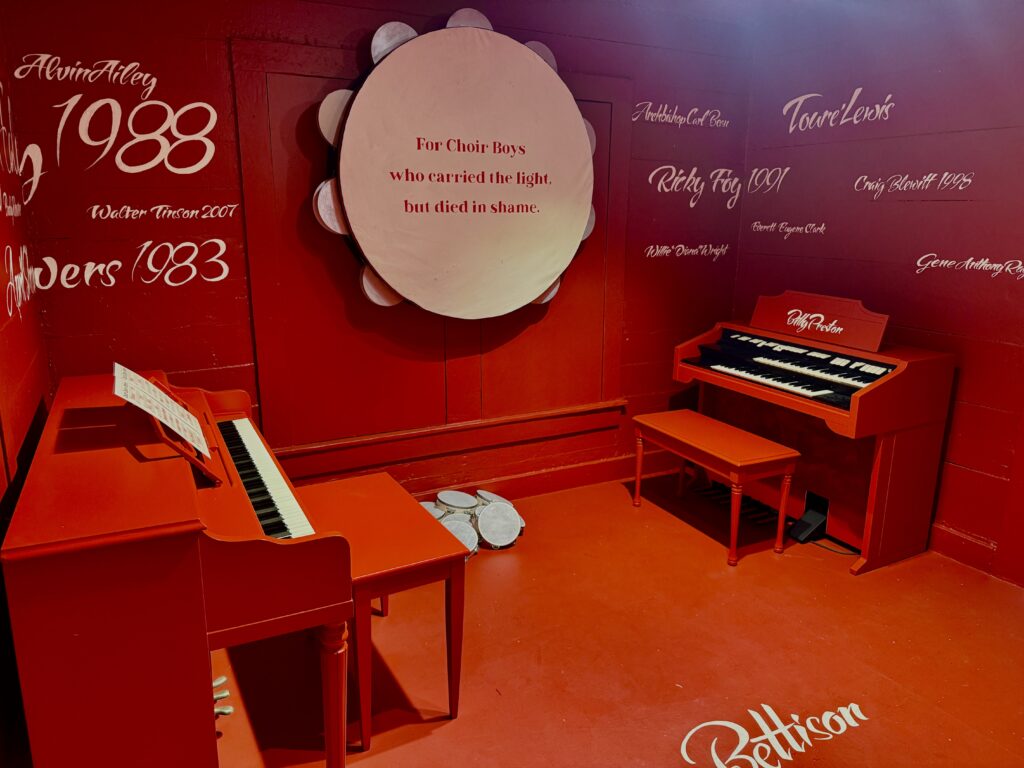
One of the exhibitions, Harrison Guy’s, “For Choirboys, Church Queens, and Those Whose Sundays Stopped Too Soon,” is a standout installation that confronts truths that the Black church has often refused to speak aloud. It is a sanctuary for men who carried the weight of worship on their backs while hiding the most vulnerable parts of themselves.
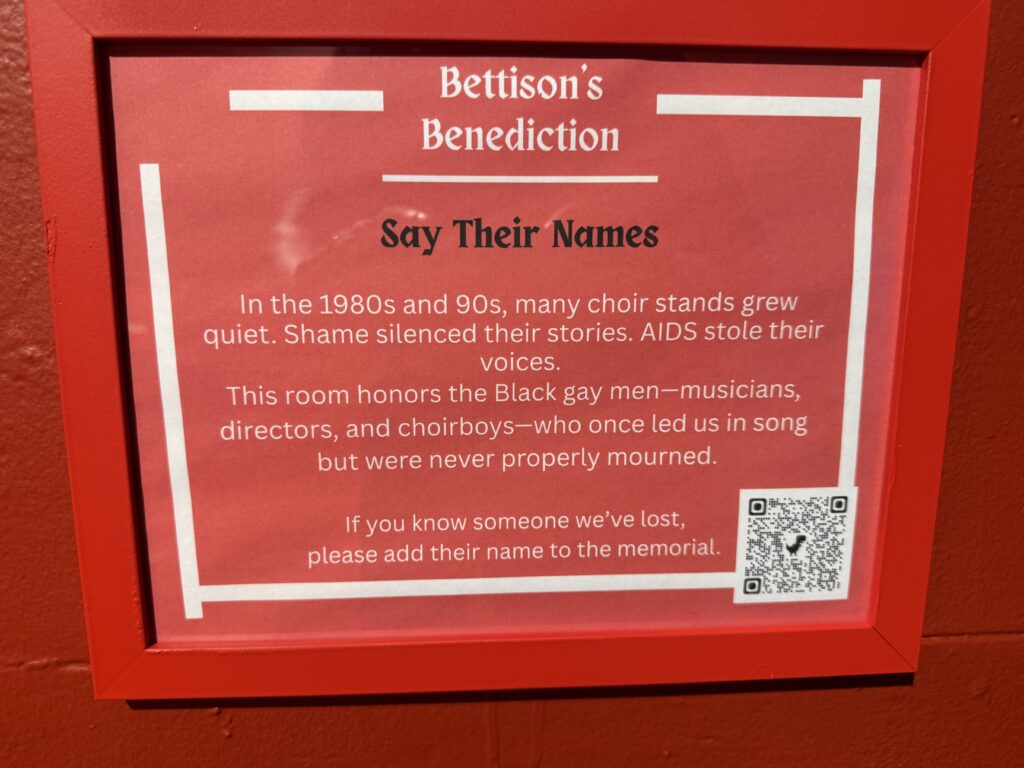
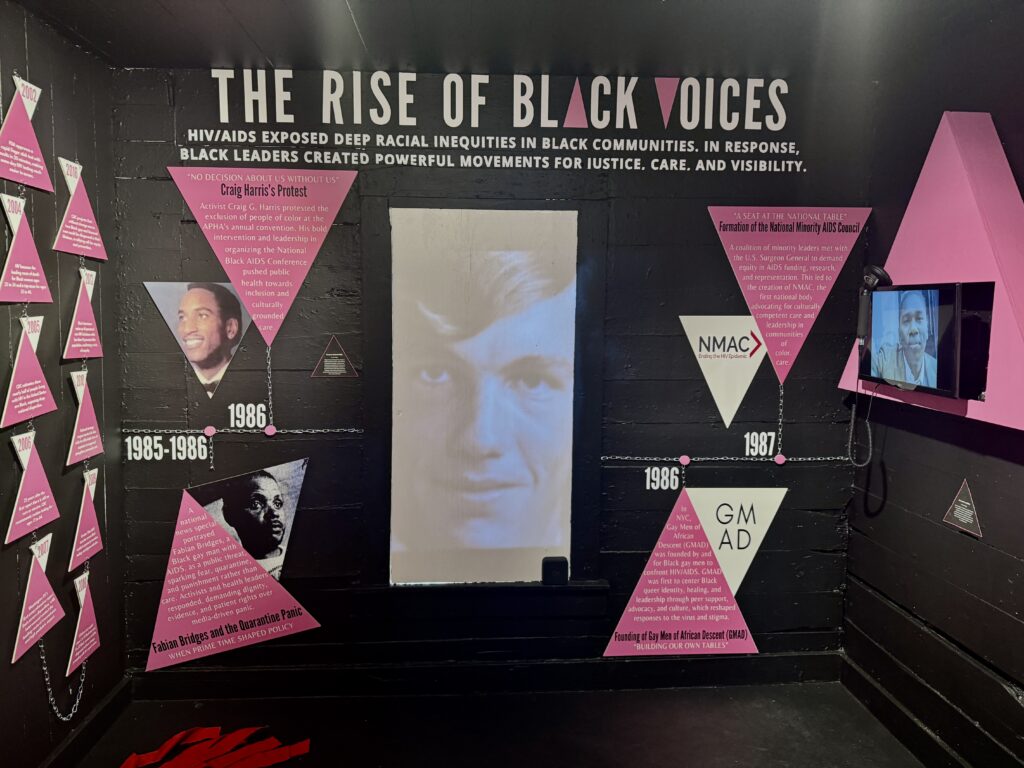
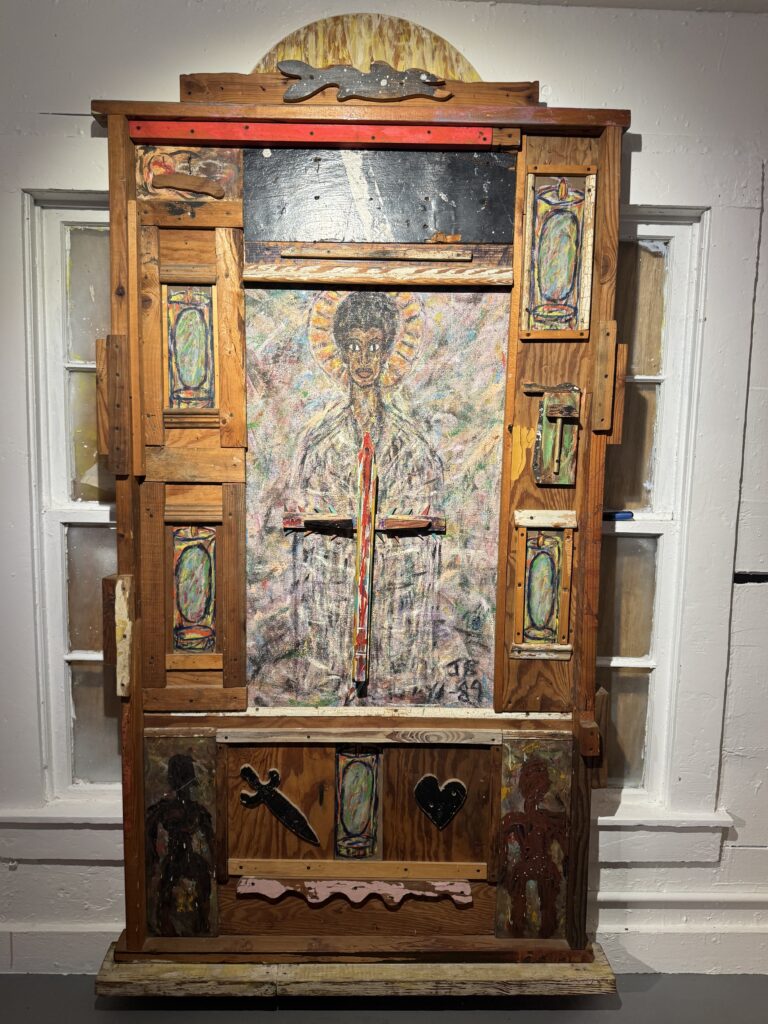
Harrison curated this exhibition with intention. He centered James Bettison, a founding visionary of Project Row Houses, whose story many have never heard because he was a gay Black man during the height of the AIDS crisis. Bettison’s life, art, and quiet survival shaped this space. Guy builds on that legacy by gathering a group of local artists who create a choir of voices that rise through the row house.
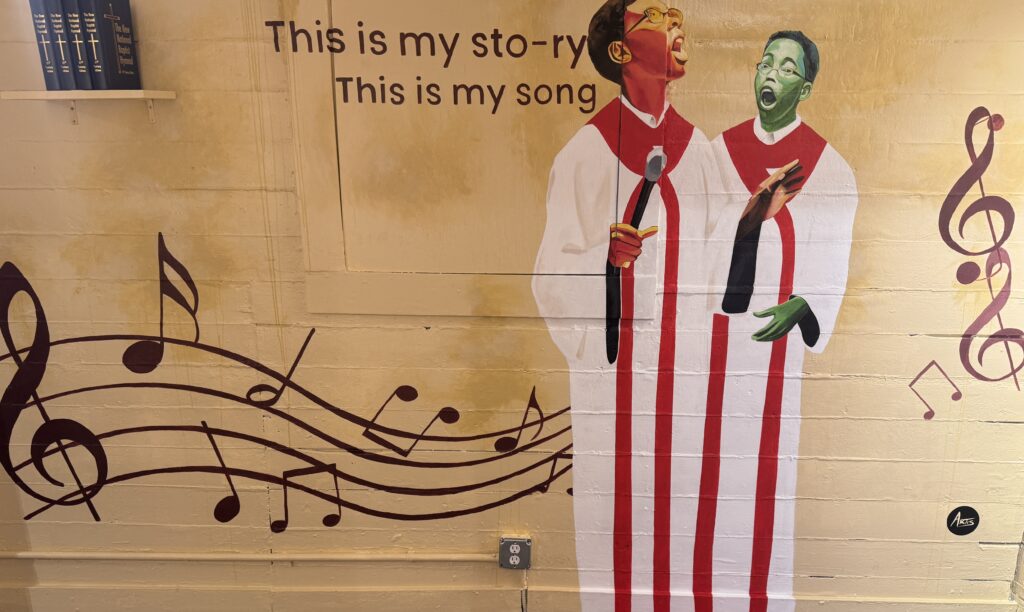
Shawn Artis transforms the Choir Room into a place of praise and pressure, the kind of room where many young men first discovered their talent and their fear.
LaToya Smith holds the names of the lost with a tenderness that reminds you how many families still carry the weight of silence.
Danny Russo brings you face-to-face with the Closeted Choir Boys, men who sang with conviction while sitting under sermons that condemned them.
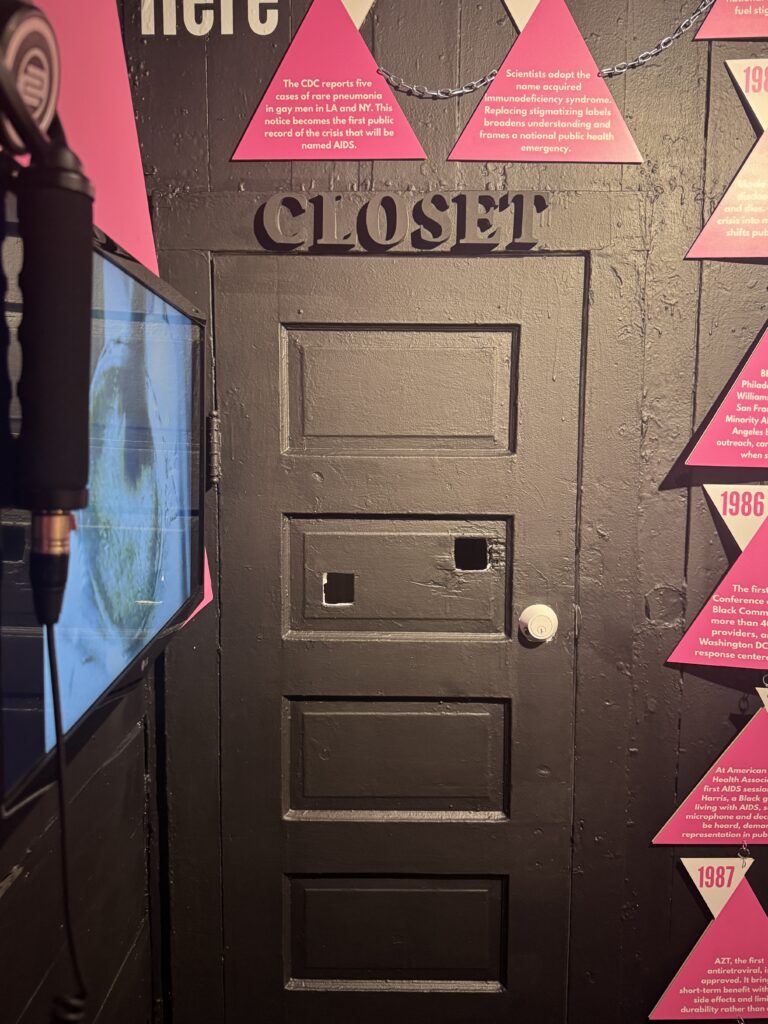
Ella Williams carves out the Pink Triangle Room as a reminder of the queer lineage that predates the church entirely.
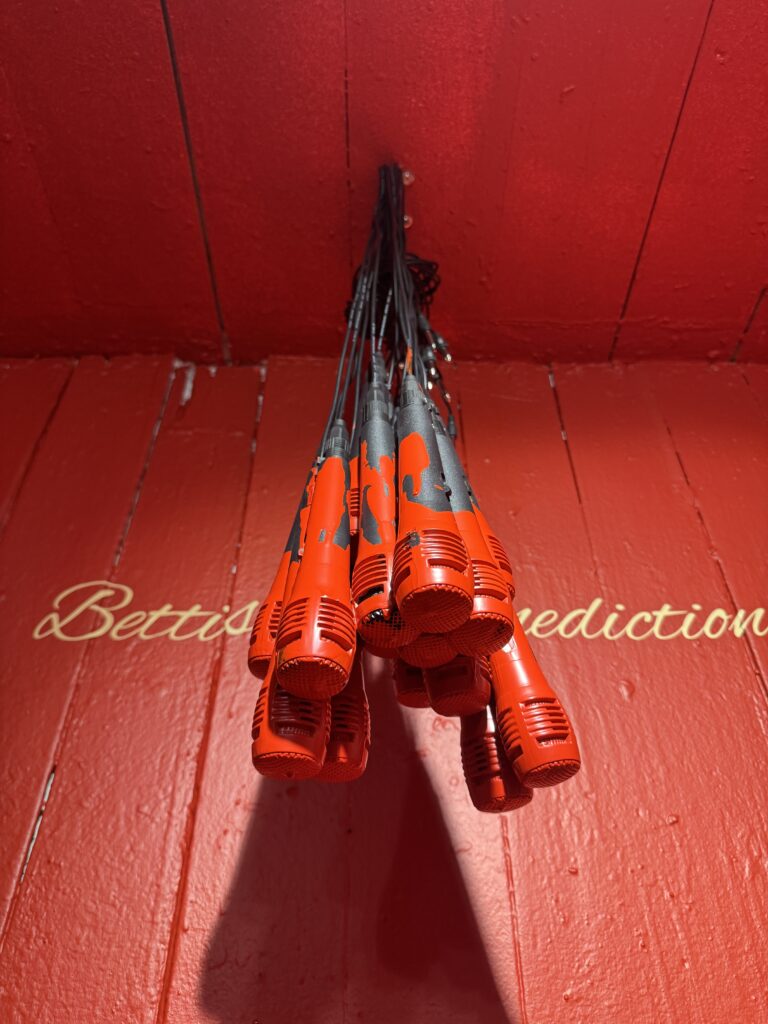
Edgar Guajardo takes the Tambourine Ministry and exposes the joy and desperation embedded in church performance.
Jacques Stratton honors the often unseen labor of the Choir Robe Seamstress, the person who dressed the choir while many singers were undressing their truth.
Keda Sharber’s and Michael Donte’s video installations feel like fragments of memory.
At the heart of the show is an original altar-style piece by James Bettison, one of the founders of Project Row Houses. The work pulls you in with its rough wood, layered panels, and a central figure surrounded by a halo. The cross is hand-painted and imperfect in a way that feels real. It reflects a life shaped by talent, rejection, faith, and survival. Bettison created altars because many churches refused to give him one. His work fills the silence that surrounded men like him.
One of the strongest elements of the exhibition is the poem painted on the wall titled “Before the Benediction.” It reads:
Before the Benediction
There’s a silence that settles before the sermon
not the sacred kind
but the kind that steals your breath and
tightens your shoulders.You sit in your Sunday best
creased slacks, polished shoes
a robe stitched with reverence
but underneath, your spirit trembles.Your heart breaks.
The organ hushes
The preacher rises
The word is cracked open
and you begin to pray.You pray that today is not the day
that you will hear that word.The one that has taken more lives
than any disease ever could.Abomination
These lines capture the tension that many gay men faced. They showed up every Sunday to sing, direct choirs, write arrangements, and support their churches, yet they lived in fear of hearing their existence condemned from the pulpit.
As someone dedicated to HIV and AIDS awareness, especially in Black communities, I deeply felt this exhibition. Black men and women continue to face disproportionate rates of HIV infection. Stigma still shapes conversations in families and churches. My wife is from Zambia, a country that still experiences devastating losses from the deadly disease. The situation became even more difficult when the United States withdrew essential funding and support. When I look at works like Bettison’s altar, I see the faces of people who carried faith and fear at the same time. I see lives affected not just by disease but by silence.
Harrison’s exhibition brings forward names and stories that were ignored. It asks visitors to sit with the reality of what many people endured and to understand the legacy they left behind.
“For Choirboys, Church Queens, and Those Whose Sundays Stopped Too Soon” is a necessary cultural moment in Houston and a powerful reminder that art can confront hard truths while offering space to heal.
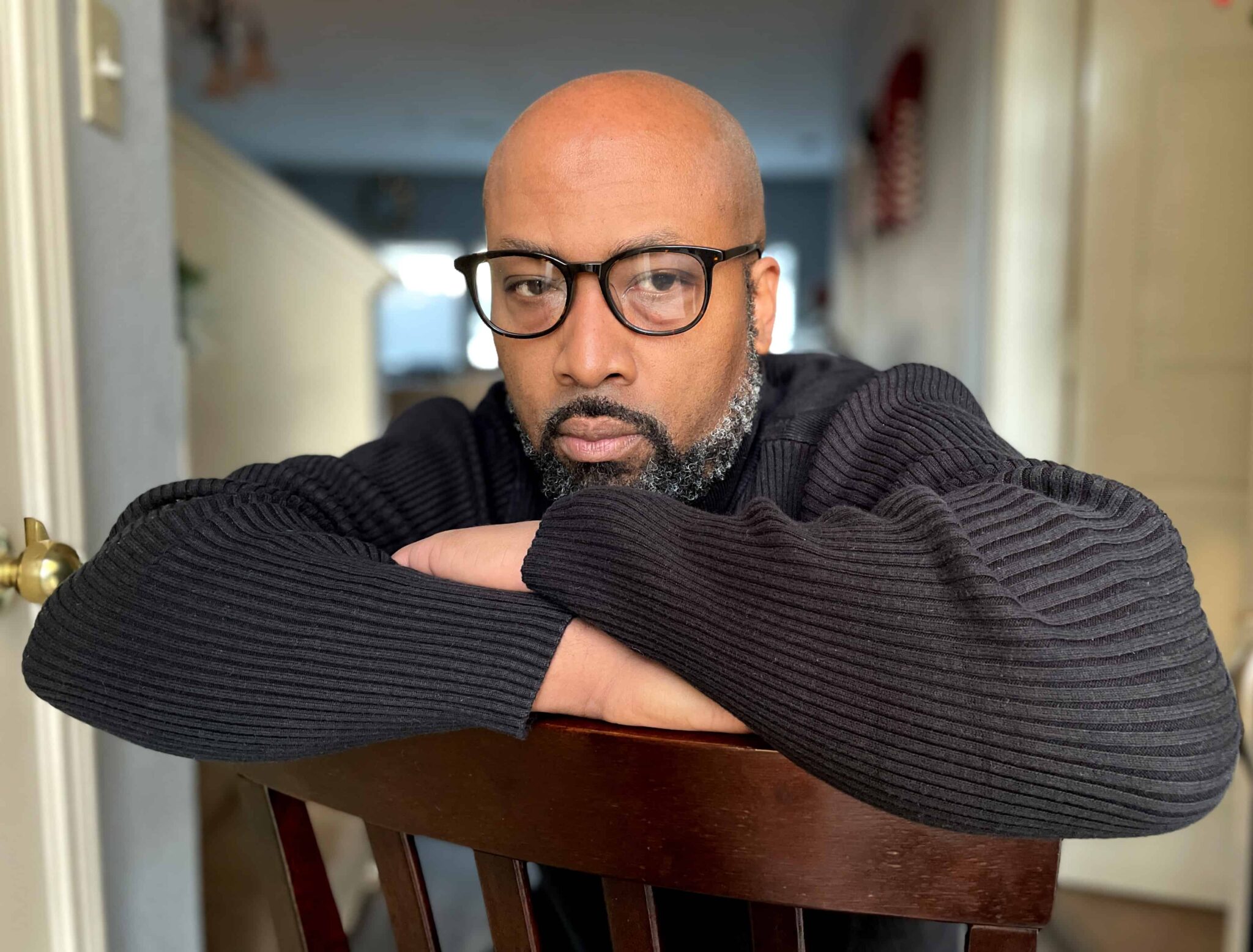
Frederick J. Goodall is the Editor-in-Chief of Mocha Man Style, media spokesperson, event host, photographer, and a top social media influencer in Houston, TX. He likes to write about fashion, cars, travel, and health.