
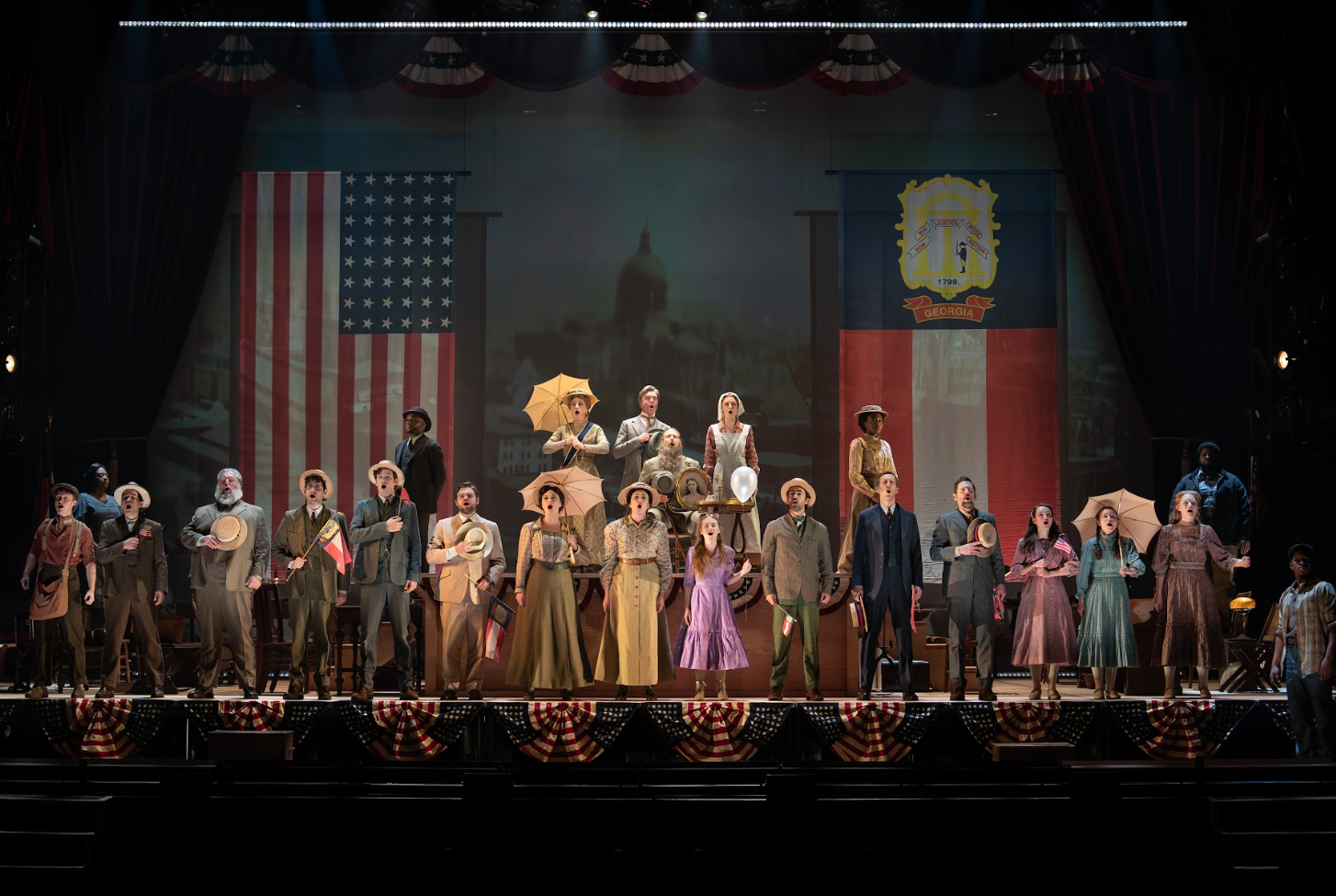
When I walked into The Hobby Center for the Performing Arts in Houston to see Parade, I had a vague idea of what the show was about because I purposely avoided reading any summaries, reviews, or background so I could experience it with fresh eyes and an open mind.
The show, written by Alfred Uhry with music and lyrics by Jason Robert Brown, dramatizes the real-life story of Leo Frank, a Jewish factory manager in 1913 Atlanta, Georgia, who was falsely accused and convicted of murdering 13-year-old Mary Phagan, one of his workers. The musical lays bare the antisemitism, media hysteria, and racial manipulation that led to Frank’s conviction and eventual lynching.
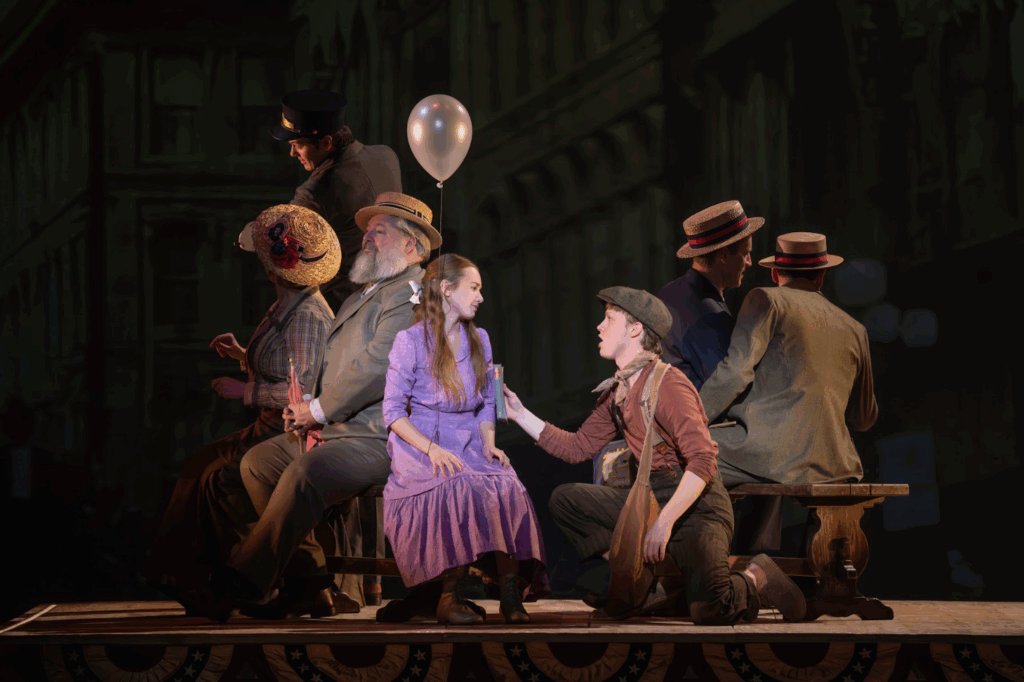
In an era marked by rising antisemitism, rampant disinformation, and renewed attacks on civil rights, Parade feels less like a history lesson and more like a mirror we’re being forced to look into.
This isn’t the kind of Broadway show I usually gravitate toward. When I go to the theater, I want to be transported. I want to forget about the weight of the world for a while. But sometimes, art refuses to let us escape. Sometimes, it grabs us by the collar and says, “Look.” Parade does just that.
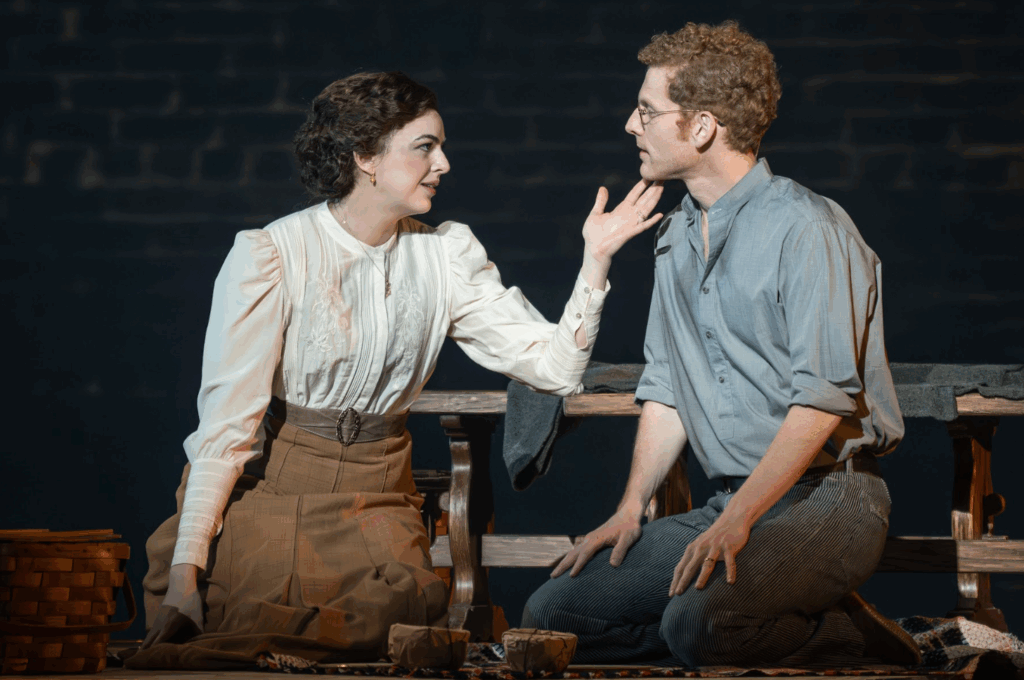
Max Chernin brings a quiet, aching intensity to the role of Leo Frank. One of his standout moments comes in “How Can I Call This Home,” a song filled with alienation and anguish. It reminded me of Dorothy’s ballad “Home” from The Wiz. But while Dorothy is dreaming of escape, Leo is reckoning with rejection. His new city, Atlanta, doesn’t feel like home with its different set of rules, expectations, and prejudices. Both songs are cries for belonging, but Leo’s carries the bitter weight of knowing that home may never truly welcome him.
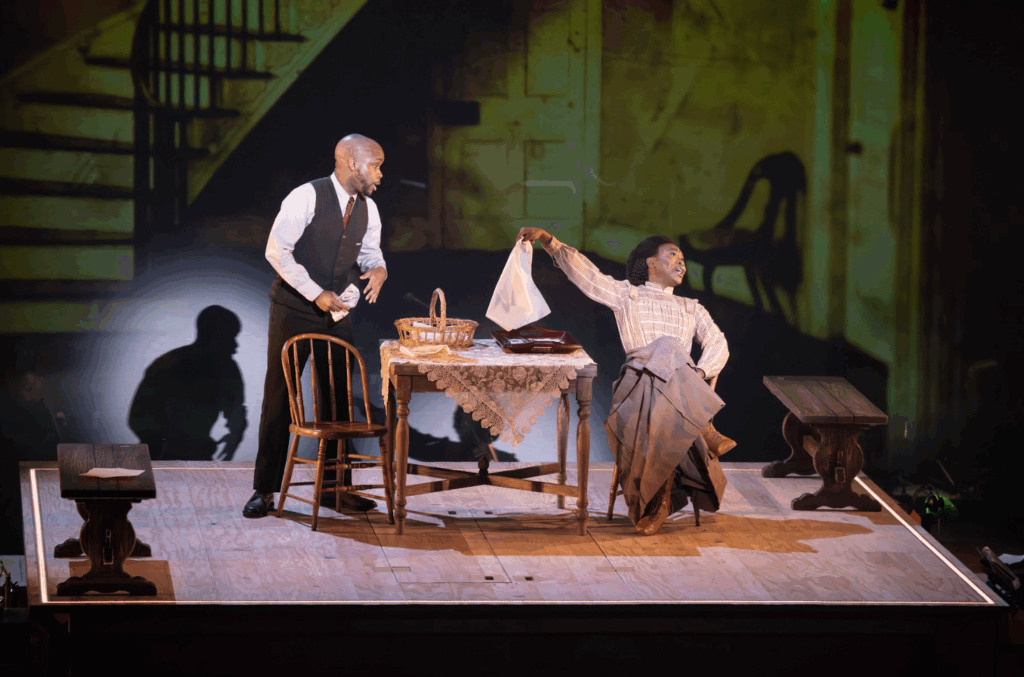
Talia Suskauer, as Lucille Frank, delivers one of the most powerful emotional arcs I’ve seen on stage in a long time. Her early restraint eventually gives way to fierce determination, especially in songs like “You Don’t Know This Man” and the heartbreaking duet “All the Wasted Time.” She doesn’t just play the role of the supportive wife; she becomes Leo’s voice, his shield, his hope.
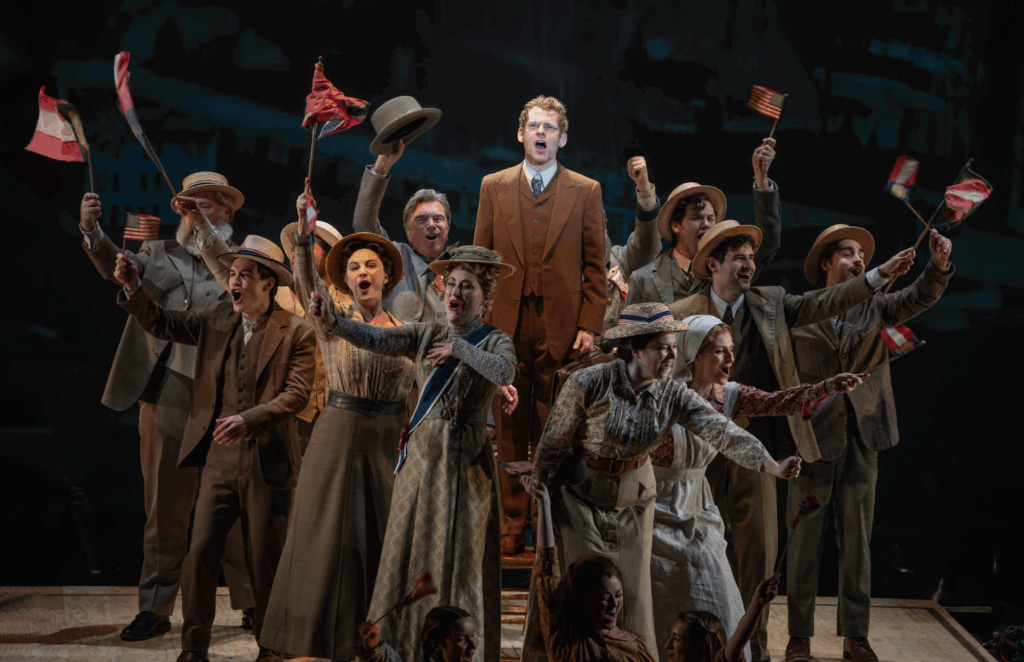
What makes Parade particularly chilling is how clearly it shows that Leo Frank was also a pawn in a much larger game. The local press, hungry for headlines, fanned the flames of public outrage. Politicians used his case to rally votes and stir populist anger. And the prosecution’s willingness to twist facts and manipulate witnesses laid the groundwork for a conviction built not on truth, but on fear.
That moment brought to mind John Oliver’s Last Week Tonight episode on “Wrongful Convictions.” In it, he talks about how the American legal system often values finality over justice. Watching Parade, I saw that in action. Witnesses were coerced. Evidence was ignored. The goal wasn’t to find the truth. It was to find someone to blame. Someone who didn’t quite belong. And once the system made up its mind, there was no turning back. As a Black man who grew up in the South, I’ve seen these tactics before.
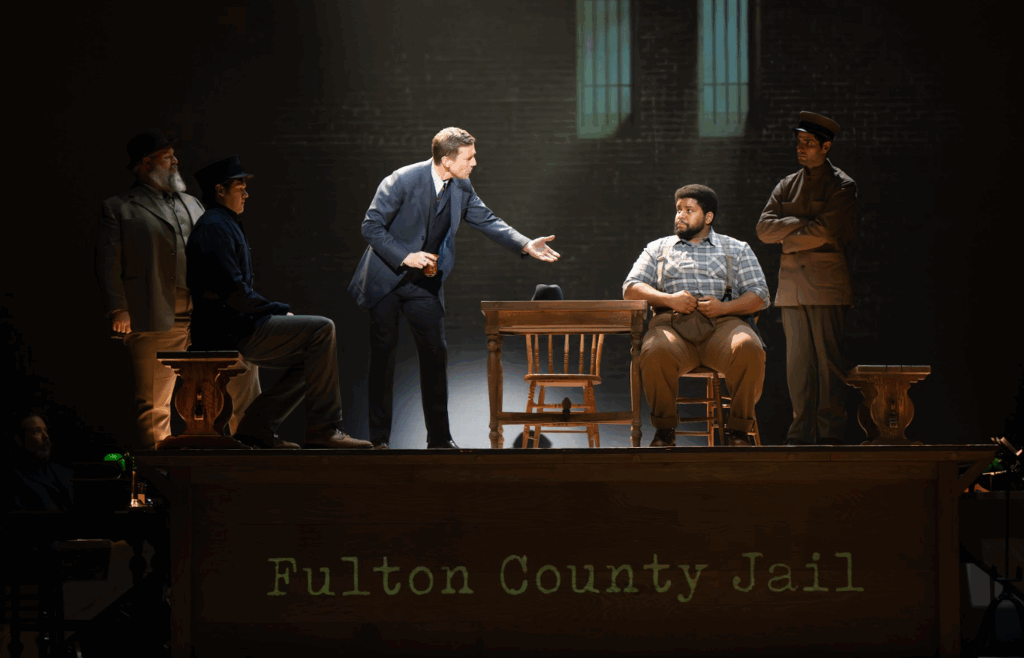
The scene that disturbed me the most was the interrogation of Newt Lee, a Black night watchman who was the first to discover Mary Phagan’s body. The prosecutor immediately casts suspicion on him, playing into the deeply rooted and dangerous stereotype that Black men are incapable of controlling themselves around white women. It’s the same lie that got Emmett Till murdered and the same one that’s sent countless innocent Black men to jail.
Parade reminds us that injustice isn’t a relic of the past. It’s a virus that mutates and spreads when left unchecked.
This show won’t give you a feel-good ending. But it will give you something deeper: perspective. And if you’re willing to sit in that discomfort, it might also give you clarity.
If you go see Parade, don’t expect escape. Expect to be moved, rattled, and, hopefully, awakened. And when the curtain falls, ask yourself how many more parades of injustice we’re willing to let pass by in silence.
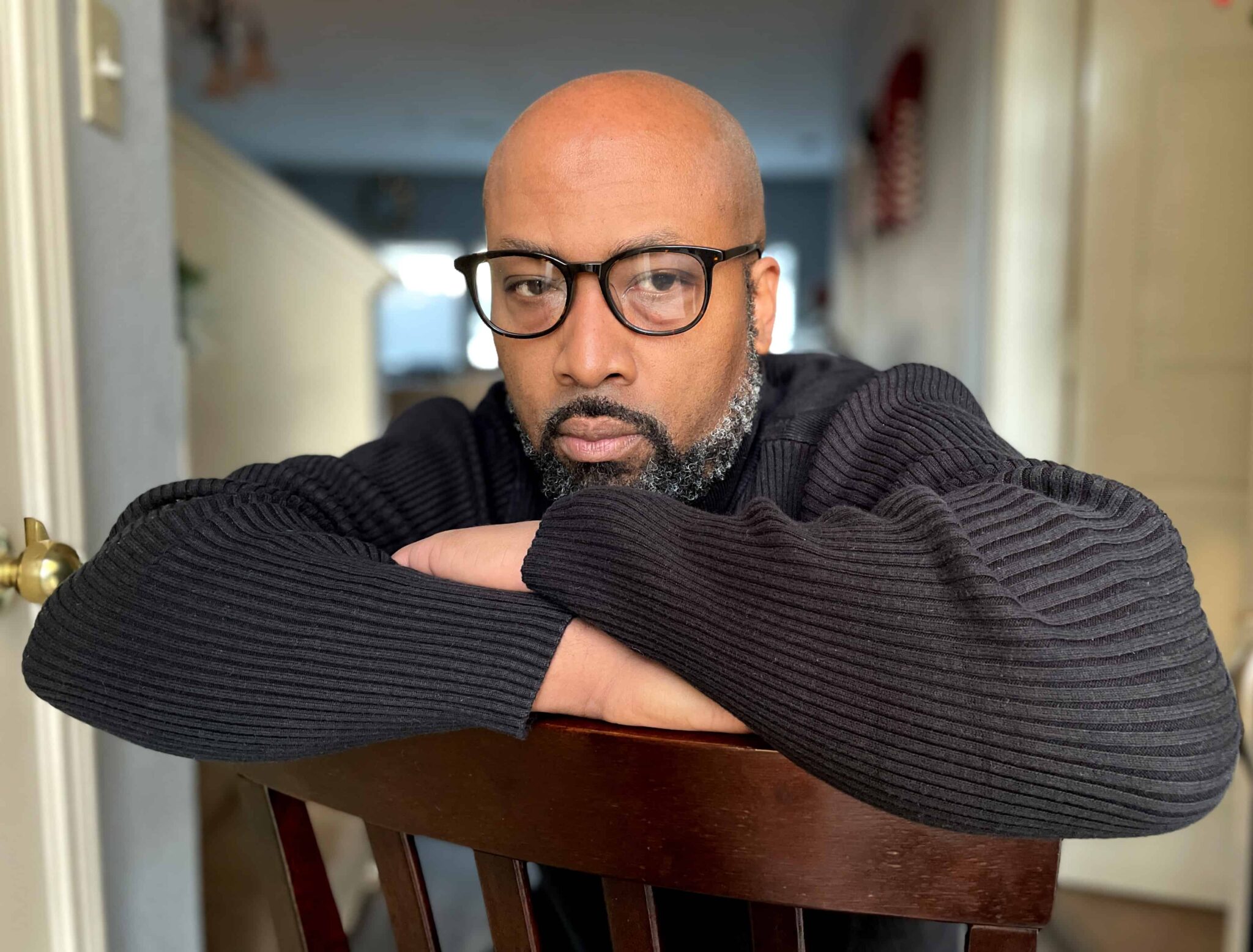
Frederick J. Goodall is the Editor-in-Chief of Mocha Man Style, media spokesperson, event host, photographer, and a top social media influencer in Houston, TX. He likes to write about fashion, cars, travel, and health.